Naveed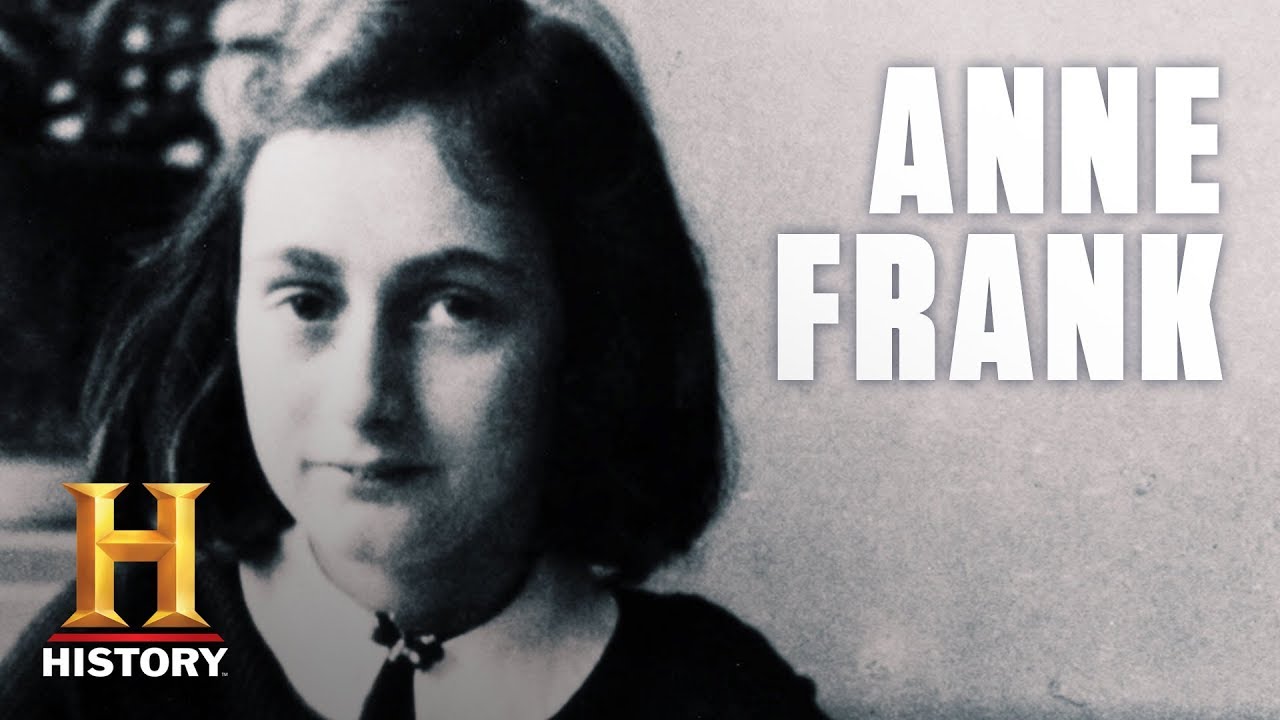
Anne Frank’s diary is remembered mostly for its portrait of hiding, fear, and hope during the Holocaust — but woven through it is also a quieter story: a Jewish teenager working out what faith meant to her, in a family that practiced its religion unevenly.
Quick Facts
| Full name | Annelies Marie Frank |
| Religion | Jewish (liberal, not strictly observant family) |
| Diary period | June 1942 – August 1944 |
| Key source | Anne Frank House research site |
A Liberal Jewish Household
According to the Anne Frank House’s own research, the Franks were “liberal Jews” who “celebrated most Jewish festivals,” describing their home life as traditional rather than strictly religious. It wasn’t a household built around synagogue attendance so much as cultural and family tradition.
Practice Split Within the Family
Family friend Hanneli Goslar later recalled that Anne’s sister Margot and mother Edith attended synagogue more regularly, while her father Otto and Anne herself generally stayed home. Anne attended Jewish classes but rarely went to synagogue — and per Otto Frank’s own later comments, her religious feeling showed up mainly in private, in her writing, rather than in outward observance.
Faith in Her Own Words
In one diary passage, widely quoted, Anne wrote: “Sometimes I believe that God wants to try me.” It’s a brief line, but one of the clearest signs in the diary itself of how she was processing faith amid hiding and fear — less doctrine, more a personal, evolving relationship with belief.
FAQ
Was the Frank family strictly religious?
No — the Anne Frank House describes them as liberal Jews who observed major festivals but lived a largely secular daily life.