Naveed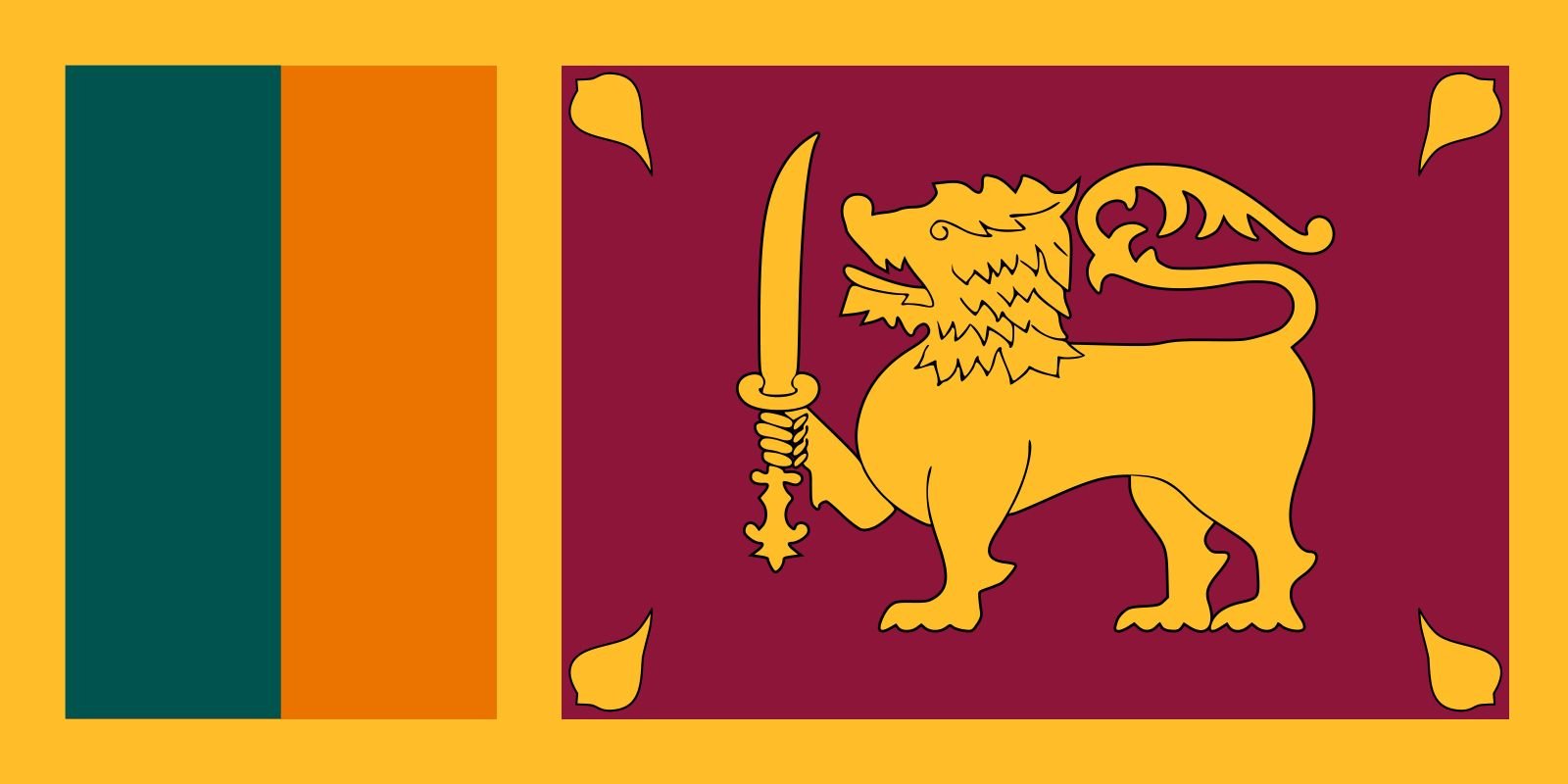
Sri Lanka is a beautiful island nation known for its rich cultural heritage and diverse religious practices. The predominant faith here is Buddhism.
Early Life and How Faith Entered the Picture
Sri Lanka, officially known as the Democratic Socialist Republic of Sri Lanka, has a complex religious landscape deeply intertwined with its history. The island has been home to various religious practices for over 3,000 years, with Buddhism being the predominant faith since its introduction in the 3rd century BCE by Mahinda, the son of Emperor Ashoka of India. This event marked the beginning of a significant transformation in Sri Lankan culture and identity, as Buddhism became the state religion under various monarchs throughout history.
Over time, other religions such as Hinduism, Islam, and Christianity established their presence on the island. Hinduism primarily flourished among the Tamil ethnic community, particularly in the northern regions. Meanwhile, Islam was introduced through trade and Arab influence along the coasts. Christianity’s arrival can be traced back to European colonization during the 16th century when Portuguese and later Dutch and British forces impacted local governance and societal structures.
What Fans and Media Get Wrong About Their Religion
Despite widespread acknowledgment of Sri Lanka’s rich Buddhist traditions, many misunderstandings persist about the country’s religious diversity. Some might mistakenly assume that all Sri Lankans are Buddhist due to its majority status (approximately 70% of the population identifies as Buddhist). However, Sri Lanka is home to significant populations of Hindus (around 12%), Muslims (about 10%), and Christians (around 7%).
The media often highlights the conflicts between these groups without recognizing the peaceful coexistence that also exists. For instance, during festivals like Sinhala and Tamil New Year, people from different religions come together to celebrate shared cultural traditions, showcasing harmony rather than discord.
Key Moments Where Religion Became Public News
Several key events in Sri Lanka’s history have highlighted the interplay between religion and politics. A notable moment was the enactment of the Sinhala Only Act in 1956, which made Sinhala the sole official language of Sri Lanka. This legislation sparked significant unrest among Tamils and was viewed as an attempt to marginalize minority communities.
Another pivotal moment occurred during the civil war from 1983 to 2009. where ethnic tensions escalated into violent conflict largely fueled by differing religious identities. The end of this war did not resolve underlying issues; instead, it left many wounds that continue to affect communal relations today.
Cultural Background vs. Personal Belief – the Distinction
The distinction between cultural identity and personal belief is particularly pronounced in Sri Lanka. Many individuals identify with a religion due to cultural heritage rather than personal conviction. For example, while a majority may identify as Buddhists culturally, individual levels of spiritual engagement can vary significantly.
This complex relationship often leads to subtle discussions about faith within families. For instance. younger generations may adopt more secular views or combine beliefs from multiple religions into their personal practices while still respecting their cultural roots.
How They’ve Addressed Misconceptions About Their Faith
In contemporary Sri Lanka. leaders from various religious communities have worked towards fostering dialogue aimed at dispelling myths surrounding their faiths. Initiatives promoting interfaith dialogue have gained traction in recent years, allowing individuals from different backgrounds to share their beliefs and experiences openly.
Furthermore, educational programs addressing misconceptions about Buddhism and other religions aim to cultivate understanding among youth. These efforts strive not only to promote peace but also to build a more inclusive society where diverse beliefs are celebrated rather than feared.
FAQs
What is the main religion practiced in Sri Lanka?
The main religion practiced in Sri Lanka is Buddhism, followed by Hinduism, Islam, and Christianity among others.
Does Sri Lanka have a mix of religions in families?
Yes, many families in Sri Lanka embody a mix of religions due to intermarriage between different ethnic groups such as Sinhalese and Tamils, leading to diverse religious practices within households.
Is Buddhism the only religion in Sri Lanka?
No, while Buddhism is predominant in Sri Lanka with about 70% of the population adhering to it, there are significant communities of Hindus (12%), Muslims (10%), and Christians (7%).
If you are interested in learning more about religion, please visit whatreligionisinfo.com.
About the Author
Naveed is a Software and AI engineer based in Pakistan and the founder of whatreligionisinfo.com. Articles are researched from published interviews, news coverage, and public statements, with sources cited throughout.
Related Reading
- Raihan Vadra Religion: Exploring His Beliefs and Background
- Jessie Cave Religion: Exploring Her Beliefs and Spirituality
You might also be interested in Jemima Goldsmith Religion: Exploring Her Spiritual Beliefs.