Naveed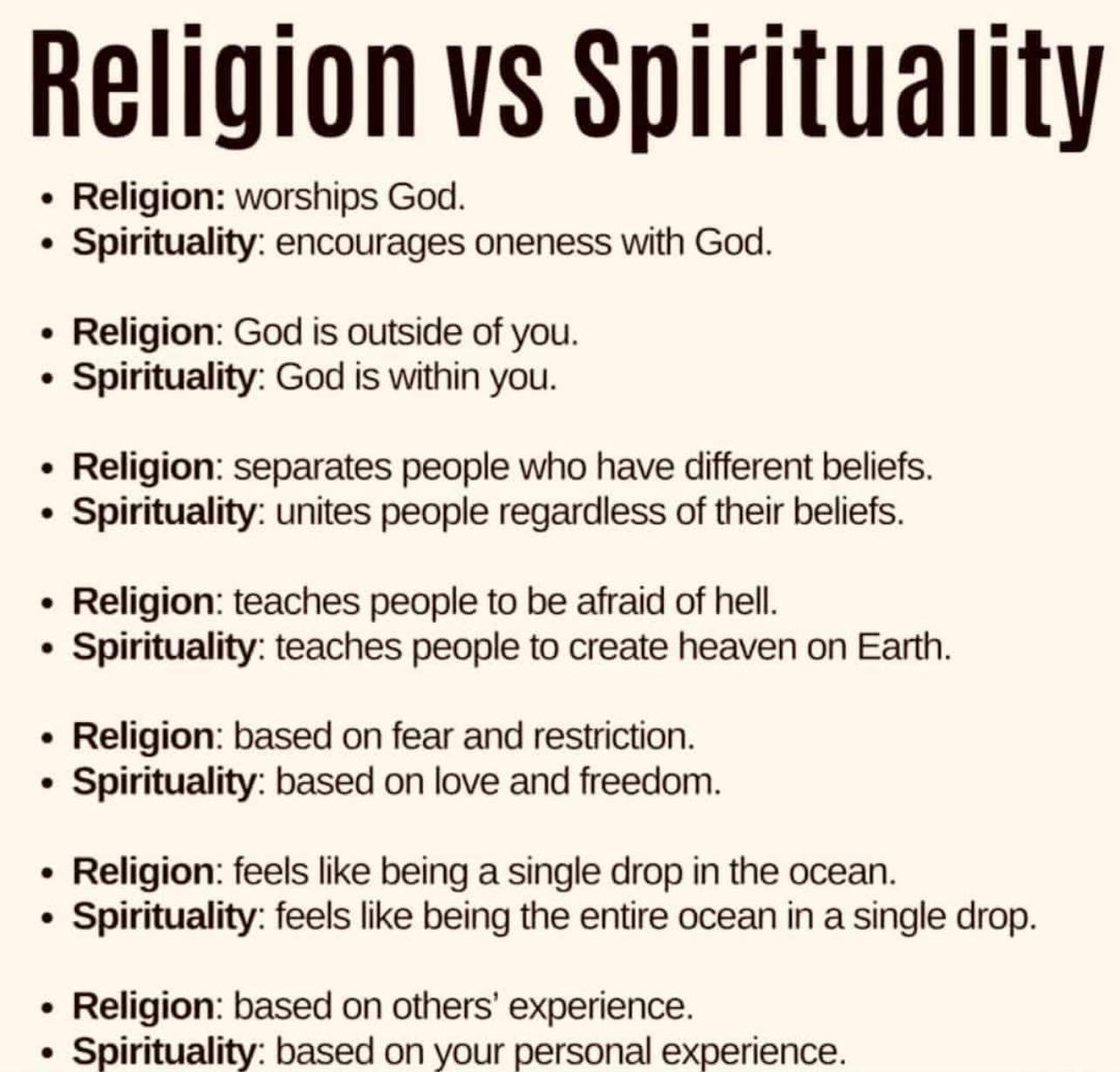
The debate around Spirituality Vs religion highlights the difference between personal beliefs and organized practices. This article explores that distinction.
Reactions and Public Discussion of Their Religious Identity
In recent years, the discourse around Spirituality Vs religion has intensified. especially as more individuals identify as “spiritual but not religious.” This shift is often rooted in a desire for personal connection over institutional affiliation. Many people feel that organized religion can be too dogmatic or restrictive. leading them to explore spirituality on their own terms. The Pew Research Center indicates that approximately 22% of U.S. adults identify as spiritual but not religious, reflecting a growing trend where individuals seek meaning and connection outside traditional religious frameworks.
Early Life and How Faith Entered the Picture
For many, early life experiences significantly shape their views on spirituality and religion. Factors such as family background and community influence play critical roles. Many individuals who later identify as spiritual but not religious often come from diverse religious backgrounds but experience a disconnect with the dogma associated with those traditions. This can lead to a personal exploration of spirituality, focusing on individual beliefs rather than collective practices. Understanding one’s roots can be pivotal in this journey; it often involves reassessing childhood teachings, rituals, and values instilled during formative years.
Religious Holidays or Traditions They’re Known to Observe
While many who identify as spiritual may distance themselves from traditional religious observances, they often still celebrate certain holidays or traditions that connect with with them personally. For instance, some might honor the essence of Christmas or Diwali by focusing on themes of love, light, or community rather than strictly adhering to religious protocols. This selective participation allows individuals to combine meaningful cultural traditions into their spiritual lives without feeling bound by the constraints of organized religion.
Cultural Background vs. Personal Belief – the Distinction
The distinction between cultural background and personal belief is crucial in understanding the landscape of Spirituality Vs religion. Cultural identity can encompass various religious elements inherited from family or community, while personal belief represents an individual’s unique interpretation and practice of spirituality. Many people navigate this complex terrain. often blending cultural rituals with personal beliefs in a way that feels authentic to them. This synthesis allows for a rich tapestry of experiences that honors both heritage and individual spiritual journeys.
Related Queries
What are common misconceptions about being spiritual but not religious?
A common misconception is that being spiritual but not religious equates to a lack of morality or ethical standards. In reality. many who identify this way often have deeply held moral values shaped by personal reflection rather than rigid doctrines.
How does one’s cultural background influence their spirituality?
Cultural backgrounds significantly influence spirituality by providing foundational beliefs and practices that shape an individual’s understanding of the divine. However, individuals may adapt these influences to fit their personal beliefs and experiences.
Are there any notable public figures known for their spirituality?
Yes, numerous public figures openly embrace spirituality over traditional religion, discussing their journeys in various forums. They often emphasize personal experiences over institutional teachings.
FAQs
How does public perception affect those who identify as spiritual but not religious?
The public perception can vary widely; some view this identity positively as a sign of open-mindedness and individuality, while others may see it as a rejection of community values associated with organized religion.
What are the key differences between spirituality and organized religion?
The key difference lies in structure: organized religion usually has established doctrines and communal practices. while spirituality emphasizes individual experiences and personal connections with the divine.
How do familial beliefs impact one’s spiritual journey?
Familial beliefs can profoundly impact one’s spiritual journey by either grounding them in tradition or prompting them to seek alternative paths that connect with more with their personal truths.
If you are interested in learning more about religion, please visit whatreligionisinfo.com.
About the Author
Naveed is a Software and AI engineer based in Pakistan and the founder of whatreligionisinfo.com. Articles are researched from published interviews, news coverage, and public statements, with sources cited throughout.
Related Reading
- Karan Wahi Religion: Discovering His Beliefs and Background
- Argentina President Religion: What You Need to Know Today
You might also be interested in Jed York Religion: Exploring His Beliefs and Values.
You might also be interested in What Religion Is Dr. Oz? His Secular Muslim Islam Explained.