Naveed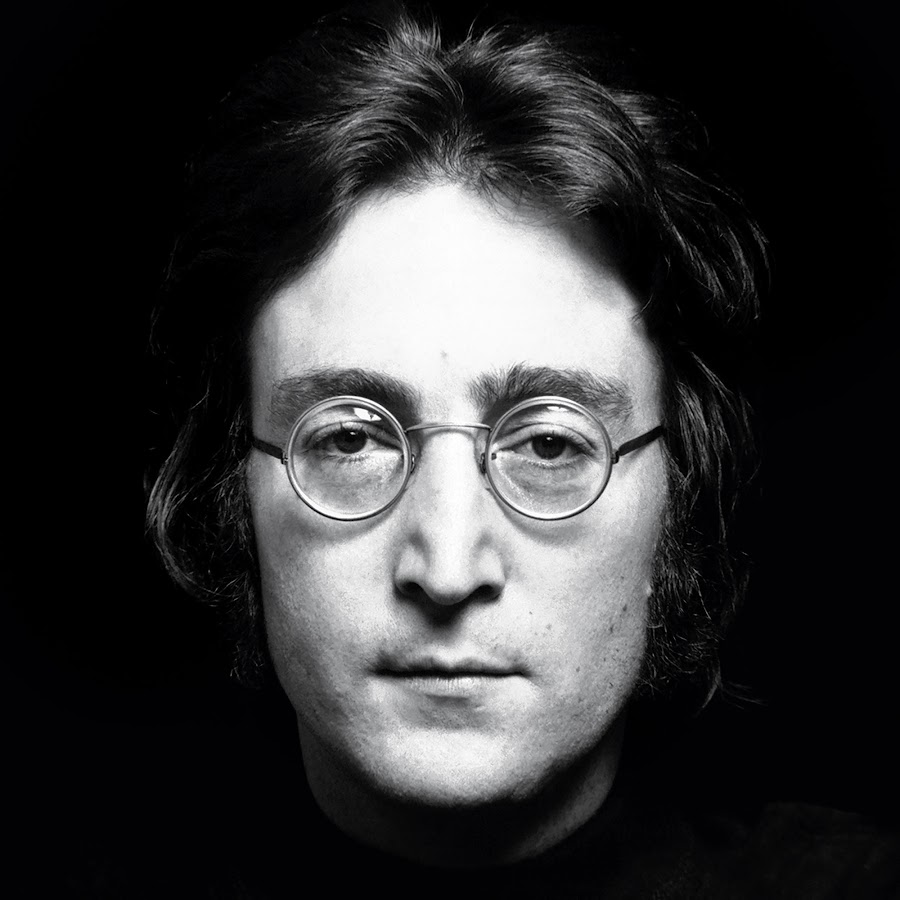
The Comment That Started a Boycott
On March 4, 1966, John Lennon told the London Evening Standard: “We’re more popular than Jesus now.” In England the line barely registered as controversial. Months later, when a U.S. teen magazine reprinted it out of context, Alabama DJs launched a “Beatle Boycott,” records were burned, and even the Ku Klux Klan joined the protests.
What He Actually Meant
Lennon wasn’t attacking Jesus — his full quote continued: “Jesus was all right but his disciples were thick and ordinary. It’s them twisting it that ruins it for me.” He later clarified he was describing the Beatles’ cultural reach among British kids at the time, not making a theological claim: “I wasn’t knocking it or putting it down, I was just saying it as a fact.”
| Upbringing | Church of England (Anglican), Liverpool |
| 1966 controversy | “More popular than Jesus” remark sparked U.S. boycotts |
| Later views | Explored Eastern spirituality, meditation, and skepticism of organized religion |
A Spiritual Wanderer After the Beatles
The controversy was one reason the Beatles stopped touring after 1966, but it didn’t end Lennon’s relationship with religious and spiritual questions. In the years after, he explored Transcendental Meditation with the Maharishi, and later wrote lyrics openly skeptical of organized religion, most famously in “God” and “Imagine,” while never settling into a single tradition.
FAQ
Did John Lennon believe in God?
His views shifted over his life — he moved from a nominal Anglican upbringing through Eastern meditation practices to lyrics expressing broad skepticism of organized religion, without permanently adopting one faith.
Why was the “more popular than Jesus” quote so controversial in America?
A U.S. magazine reprinted the line without the context of Lennon’s original British interview, which triggered record burnings, boycotts, and death threats in 1966.
Another musician whose relationship with faith made headlines: see our piece on Madonna’s religion.