Naveed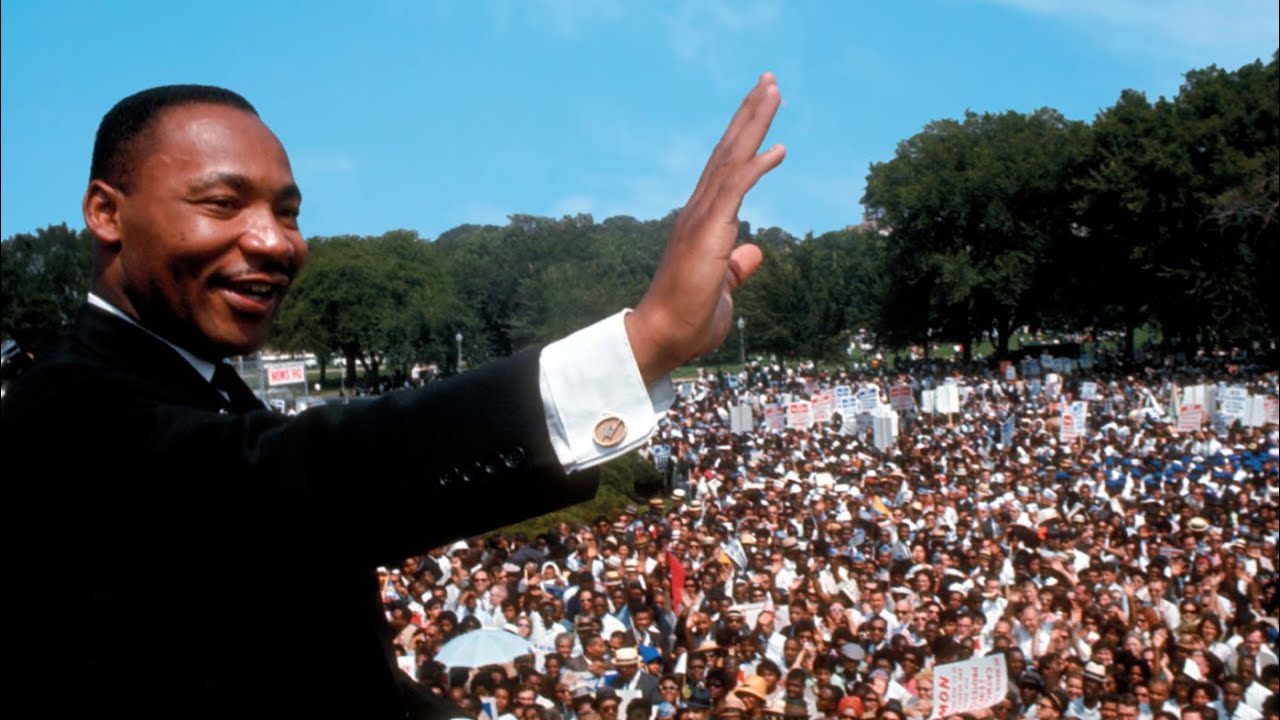
A Pulpit Inherited, Not Chosen Late in Life
Martin Luther King Jr. wasn’t a civil rights leader who happened to also be religious — he was, by his own account, a preacher first. Born January 15, 1929, in Atlanta, he was the son and grandson of Baptist preachers and was ordained as a minister at his father’s church, Ebenezer Baptist, in 1948.
| Religion | Christianity (Baptist) |
| Ordained | 1948, Ebenezer Baptist Church, Atlanta |
| Pastorate | Dexter Avenue Baptist Church, Montgomery, Alabama |
| Doctorate | Systematic Theology, Boston University, 1955 |
From Dexter Avenue to a Doctorate in Theology
After marrying Coretta Scott in 1953, King became pastor of Dexter Avenue Baptist Church in Montgomery. He wasn’t just a working pastor — he pursued serious academic theology, earning his PhD in systematic theology from Boston University in 1955. His thinking was shaped by the Black Baptist church tradition, the Social Gospel movement, and formal doctoral study.
Faith as the Engine, Not the Backdrop
King framed his activism as ministry, not a separate track from it. He believed history “was not random,” that God “was not neutral,” and that the arc of the universe bent toward justice because, in his theology, God is just. His commitment to nonviolent protest came directly from his reading of Jesus’s teaching to love one’s enemies.
He was explicit about the order of his priorities: before he was a civil rights leader, he considered himself a preacher of the Gospel — a calling he described as his “greatest commitment.”
FAQ
What denomination was Martin Luther King Jr.?
Baptist. He came from a multi-generational family of Baptist ministers and was ordained and pastored within the Black Baptist church tradition.
Did King have formal theological training?
Yes — he earned a PhD in systematic theology from Boston University in 1955, on top of his ministerial ordination and pastoral work.
For another public figure whose Christian convictions shape their public commentary, see our profile of Brian Kilmeade’s religion.