Naveed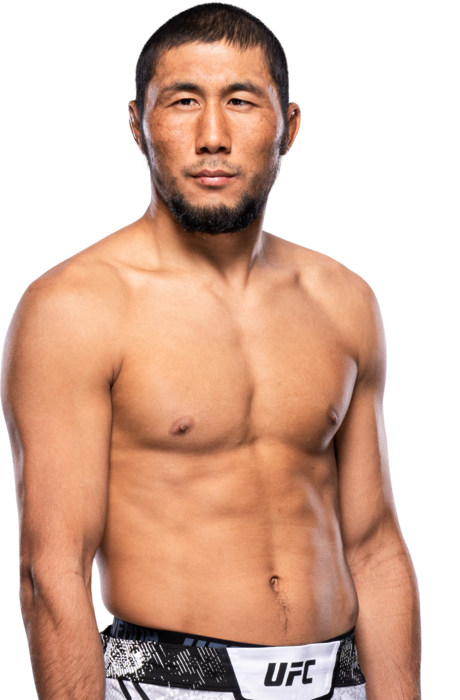
When Kyrgyz welterweight Myktybek Orolbai walked into the Octagon against Chris Curtis, he was in the middle of fasting for Ramadan — and still finished the fight with 19 takedowns, the second-most in UFC history. That single training camp, more than anything written about him online, is the clearest public record of how central Islam is to his life as a fighter.
| Full name | Myktybek Orolbai (also written Orolbai Uulu Myktybek) |
| Nationality / field | Kyrgyzstani; UFC welterweight mixed martial artist |
| Known religion / faith status | Islam (Sunni Muslim) — confirmed through reporting on his Ramadan fight camp, not a personal statement of belief |
| Key sources | Yahoo Sports (via coach Urijah Faber); EssentiallySports |
Who Is Myktybek Orolbai?
Born February 10, 1998, in the village of Kyzyl-Suu in Kyrgyzstan’s Osh Region, Orolbai holds a law degree from Osh State University before turning to full-time fighting. He built an 8-1-1 regional record in Kyrgyzstan, then reeled off wins in the Legacy Fighting Alliance that earned him a UFC contract. His November 2023 promotional debut against Uroš Medić made him, by his own description, the first ethnic Kyrgyz fighter signed to the UFC — a milestone he has said made “everyone in Kyrgyzstan” excited, according to EssentiallySports. He now trains out of Sacramento’s Team Alpha Male camp under Urijah Faber.
Fasting Through a UFC Fight Camp
The most concrete, sourced detail about Orolbai’s faith comes from his preparation for a UFC Vegas 114 bout with Chris Curtis, which fell during Ramadan, the Islamic month of dawn-to-dusk fasting. Coach Urijah Faber told reporters, as quoted by Yahoo Sports, that Orolbai was “staying with Ramadan throughout the whole month” and restructured his sessions to train “a little bit in the morning and then in the evening” to work around the fast. Faber described him as largely self-directed about it, saying the fighter “knows what he has to do” without needing reminders. Orolbai went on to dominate Curtis and win by unanimous decision despite the demands of fasting during a full training camp.
How Islam Shows Up Around His Career
Coverage of Orolbai consistently describes him as a devout, low-key practicing Muslim rather than someone who discusses theology publicly. EssentiallySports characterizes his day-to-day life as centered on “training, prayer and recovery,” and notes he is known for using Arabic expressions of gratitude and hope common among Muslim athletes when talking about his career. Beyond the Ramadan camp reporting, he has not given a long-form interview specifically about his personal beliefs, so most of what’s publicly documented comes from how his faith intersects with his fight schedule rather than direct commentary from him on religion itself.
Context: Religion in Kyrgyzstan
Orolbai’s faith is also consistent with his home country: Kyrgyzstan is roughly 80-90% Muslim, predominantly of the Sunni Hanafi tradition, per most demographic surveys of Central Asia. That makes his practice unremarkable culturally at home even as it stands out in UFC media coverage, where fighters observing Ramadan mid-camp is treated as a notable storyline precisely because it’s uncommon in a sport built around tightly controlled weight cuts and nutrition.
FAQ
Did Myktybek Orolbai really fast for Ramadan during an active UFC training camp?
Yes. Multiple reports around his fight with Chris Curtis at UFC Vegas 114 confirm he observed the full month of Ramadan while training, adjusting his schedule to train before dawn and after sunset, according to coach Urijah Faber’s comments to the press.
Is Myktybek Orolbai the first fighter from Kyrgyzstan in the UFC?
He has described himself as the first ethnic Kyrgyz male fighter signed to the promotion, a distinction reported by EssentiallySports and repeated in his own comments after signing.