Naveed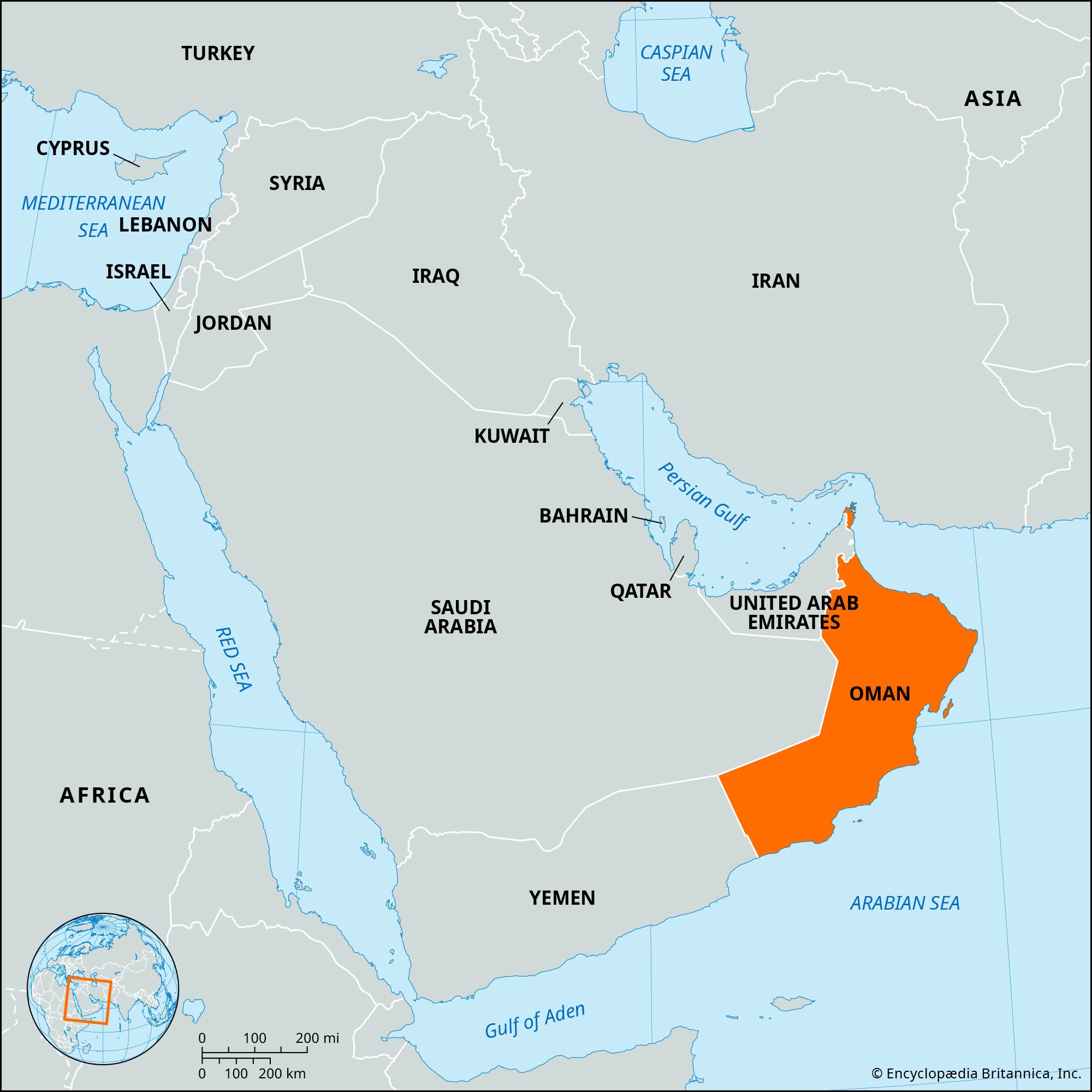
Oman Country is a nation in the Middle East known for its rich history and diverse culture. with Islam as its primary religion.
What Religion is Oman Country
Oman Country predominantly follows Islam, specifically the Ibadhi sect, which is unique to the region.
| Religion: | Islam (Ibadhi) |
| Profession: | Varied |
| Date of birth: | N/A |
| Zodiac sign: | N/A |
| Nationality: | Omani |
Oman Country Early Life and Religion
The roots of Oman Country religion can be traced back to the early Islamic period, when Omanis first embraced Islam during the 7th century CE. The introduction of Islam was facilitated by notable figures like Amr ibn al-As, who played a significant role in converting local tribes. Over time. Oman became known for its distinct branch of Islam known as Ibadism Unlike Sunni and Shia sects, Ibadism promotes a community-oriented practice of Islam that prioritizes consensus and moral integrity.
- Ibadism: This sect is characterized by its emphasis on individual interpretation of Islamic texts and governance through consensus.
- Cultural Integration: The integration of Islamic teachings with local customs has shaped various aspects of Omani life. including law
- Historical Significance: The establishment of the first Imamate in Oman marked a pivotal moment in its religious history, solidifying the role of Ibadism as a central tenet of Omani identity.
Oman Country Background: Religious Roots & Family
The family structure within Oman often reflects traditional Islamic values that rank by importance community and family ties. Many Omanis grow up in households where religious education is integral to their upbringing. Parents typically instill values such as respect for elders, hospitality, and commitment to community service from an early age. This strong familial foundation supports a cultural identity that is closely linked to religious beliefs.
- Parenting Styles: Most families emphasize moral education alongside academic success, reflecting a balance between worldly achievements and spiritual growth.
- Cultural Influences: Festivals such as Eid al-Fitr and Eid al-Adha are celebrated with family gatherings that reinforce bonds while honoring shared beliefs.
- Community Engagement: Families often participate in community service initiatives during Ramadan and other holy months, showcasing their commitment to both faith and society.
Oman Country Views on Faith and Spirituality
The Omani perspective on faith extends beyond mere adherence to religious practices; it encompasses spirituality that influences daily life choices. Omanis view their faith as a source of guidance in personal conduct, business ethics, and social interactions. Public statements from Omani leaders often reflect a commitment to uphold Islamic values while promoting peace and tolerance among diverse communities.
- Sultan’s Vision: The current Sultan Haitham bin Tariq has emphasized the importance of fostering an environment where different beliefs can coexist harmoniously.
- Moral structure, system: Omanis are taught that faith informs ethical decision-making in both personal and professional realms.
- Cultural Resilience: In times of social change or political unrest, many Omanis turn to their faith for comfort and direction.
Oman Country Religious Beliefs and Practices
The practice of Islam in Oman involves several unique rituals and observances that reflect the nation’s cultural heritage. One significant aspect is the celebration of Ramadan, during which Omanis fast from dawn until sunset. Community prayers are held in mosques across the country. bringing together people from various backgrounds to share in worship and reflection.
- Eid Celebrations: Following Ramadan, Eid al-Fitr is marked by communal prayers, feasting, and charitable giving—an essential aspect reflecting Omani values.
- Mosque Architecture: The architectural design of mosques throughout Oman showcases Islamic artistry while serving as centers for community engagement and spiritual growth.
- Pilgrimage Practices: While not as common as in other Islamic countries due to geographical constraints. some Omanis do travel for Hajj or Umrah when possible.
FAQs
Is Oman Country predominantly Ibadhi Muslim?
Yes, Oman Country primarily follows Ibadhi Islam, which is distinct from Sunni and Shia sects. This sect emphasizes moderation and community consensus in religious matters.
How does Oman’s leadership influence religious practices?
The Sultan plays a significant role in shaping religious practices through policies promoting tolerance and inclusivity among various faiths within Oman. This approach fosters harmony among different communities while maintaining Ibadhi principles at the forefront.
What is a common misconception about Islam in Oman?
A common misconception about Islam in Oman is that it strictly adheres to rigid interpretations similar to those found in other regions. However, Omani Ibadism promotes a more moderate stance that encourages dialogue and understanding among diverse beliefs.
Related Queries
What are the main beliefs of Ibadism in Oman?
Ibadism emphasizes individual interpretation of Islamic teachings, moral integrity, community consensus, and peaceful coexistence with others. These principles guide daily life for many Omanis while fostering a sense of unity within diverse populations.
Are there any significant festivals observed in Oman related to Islam?
The two major Islamic festivals celebrated in Oman are Eid al-Fitr and Eid al-Adha. These occasions involve communal prayers at mosques, feasting with family members, and acts of charity towards those in need.
How does education incorporate religious teachings in Oman?
In Oman, education integrates religious teachings alongside secular subjects. Schools often include Islamic studies as part of their curriculum to instill moral values based on Omani traditions while preparing students for modern challenges.
What role do mosques play in Omani society?
Mosques serve as places not just for worship but also for social gatherings, educational activities, and community support initiatives. They are central to maintaining spiritual life while promoting social cohesion among citizens.
How do women participate in religious activities in Oman?
women actively participate in religious activities such as communal prayers during festivals like Eid al-Fitr. Many women also engage in educational programs at mosques aimed at deepening their understanding of Islam within the context of Omani culture.
If you are interested in learning more about religion, please visit whatreligionisinfo.com.
Related Reading
- Robert Downey Jr Religion: Exploring His Spiritual Beliefs
- What Religion Is Eman Esfandi? The Ahsoka Star’s Faith, Explained
You might also be interested in Ashton Kutcher Religion: Exploring His Beliefs and Spirituality.