Naveed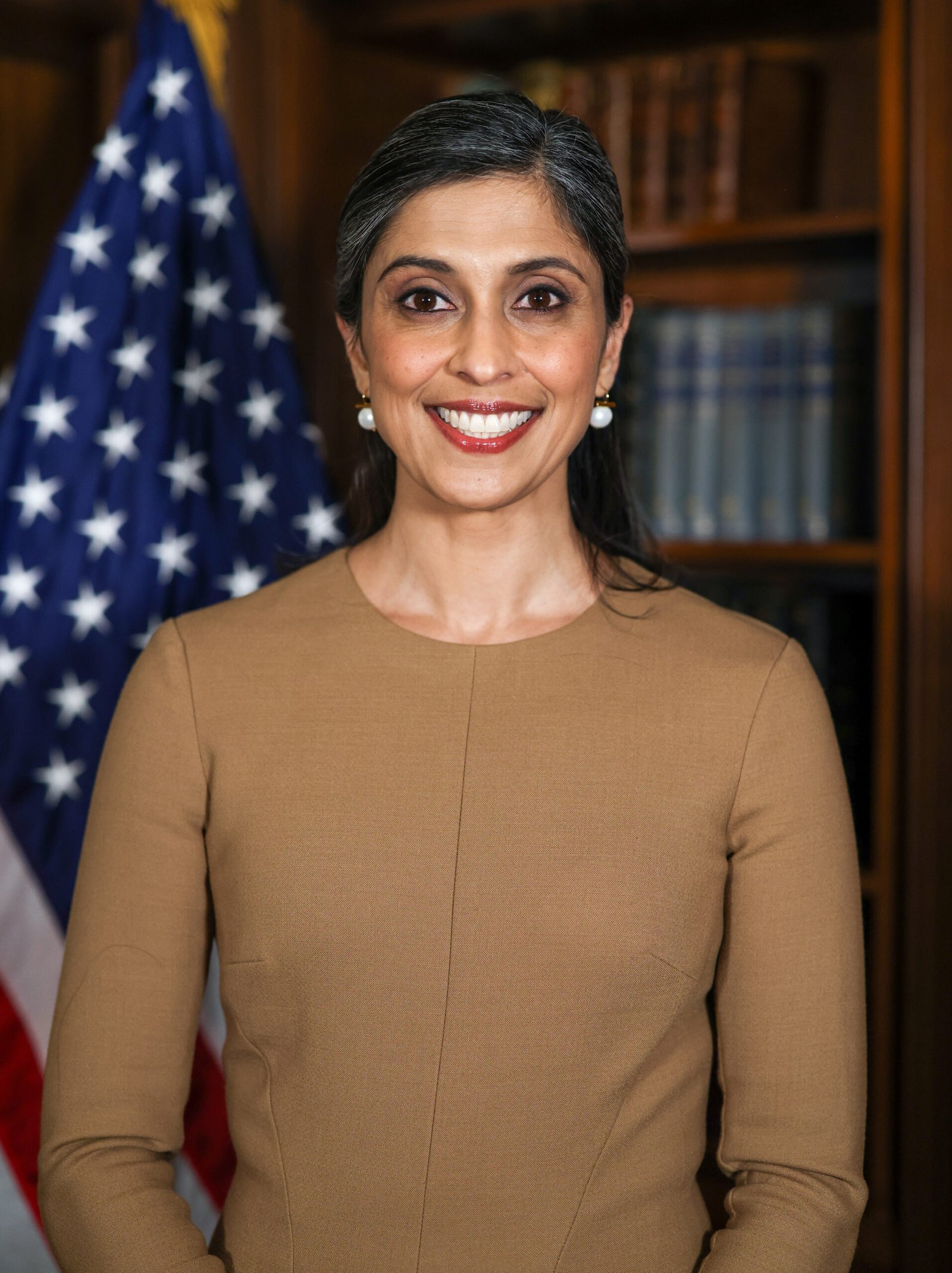
Usha Vance is a prominent figure in American politics as the Second Lady, known for her significant contributions and unique background.
What Religion is Usha Vance
Usha Vance identifies as Hindu, reflecting her Indian heritage and cultural roots.
| Religion: | Hindu |
| Profession: | Lawyer |
| Date of birth: | January 6, 1986 |
| Zodiac sign: | Capricorn |
| Nationality: | American |
As a seasoned writer with over 15 years of experience in cultural studies and religious contexts, I bring an informed perspective on Usha Vance’s many-sided identity. This article aims to delve deep into her life. exploring how her faith intertwines with her public persona and the broader implications of her role as Second Lady.
Usha Vance Early Life and Religion
Born on January 6. 1986 Her parents, both Telugu immigrants from Andhra Pradesh, instilled a strong sense of cultural identity in her from a young age. Growing up in a suburban setting, Usha balanced traditional values with the American lifestyle. Her upbringing was marked by participation in Hindu rituals and community events, which shaped her understanding of spirituality and morality.
Her education at Mt. Carmel High School paved the way for her academic achievements at Yale University, where she graduated summa cum laude with a degree in history. The values she learned at home continued to influence her throughout her educational journey. Usha’s experiences reflect a blend of American ideals and Indian traditions. creating a unique perspective that she carries into her professional life.
Usha Vance Background: Religious Roots & Family
Usha Vance hails from a family deeply rooted in academia and science. Her father, Radhakrishna “Krish” Chilukuri, is a retired aerospace engineer and educator, while her mother, Lakshmi Yechuri, is a molecular biologist who has served as provost at UC San Diego. This academic environment fostered critical thinking and an appreciation for knowledge.
- Family Influence: Usha’s family lineage can be traced back to Telugu Brahmins, highlighting their historical significance in Indian culture.
- Cultural Traditions: Regular participation in Hindu festivals and family gatherings reinforced her identity as an Indian-American.
- Moral Values: The teachings of Hinduism regarding duty (dharma) and community service connect with strongly within Usha’s public engagement efforts today.
Usha Vance Views on Faith and Spirituality
Throughout her life, Usha has expressed the importance of faith in guiding personal decisions and fostering resilience. She embraces Hinduism not just as a set of beliefs but as a structure, system that shapes her moral compass.
“I grew up with the understanding that our actions should reflect our values,” Usha remarked during an interview discussing her family’s influence on her spirituality. This principle resonates particularly in her advocacy work focused on childhood literacy and education reform, where she emphasizes the need for compassion and support for underserved communities.
Usha Vance Religious Beliefs and Practices
The rituals associated with Hinduism play a significant role in Usha’s life. While specific details about her practices remain private. it is known that she celebrates major festivals like Diwali and Holi with her family. Such celebrations offer opportunities to connect with her cultural roots while engaging with the broader community.
- Diversity of Beliefs: Usha’s journey reflects a modern interpretation of faith that embraces both tradition and contemporary values.
- Cultural Identity: In public appearances, Usha often embodies elements of Indian culture through attire or references to traditional practices.
- Simplified Rituals: As a busy public figure, she adapts complex rituals into more accessible practices suitable for family life.
Usha Vance Life Partner’s Religion
Usha Vance is married to J.D. Vance, who identifies as Christian. Their interfaith marriage highlights the blending of different religious backgrounds within their family changing. The couple has chosen to raise their children as Christians while respecting Usha’s Hindu heritage.
- Moral Guidance: J.D. has publicly expressed admiration for Usha’s intellect and strength, acknowledging how their differing backgrounds enrich their family’s values.
- Cultural Respect: Despite differences in faith. both partners have shown respect for each other’s beliefs
- Shared Values: Both emphasize education and community service as fundamental principles they wish to impart to their children.
Usha Vance Comparisons with Other Celebrities on Religion
The intersection of personal faith with public life is not unique to Usha Vance; many public figures navigate similar paths. For instance, other political spouses like Michelle Obama have also balanced personal beliefs with societal expectations. However, Usha’s experience stands out due to her distinct cultural background as an Indian-American woman within the context of American politics.
- Diverse Representation: Like Kamala Harris. another notable political figure of Indian descent
- Cultural Celebrations: While many political figures engage in public displays of faith through seasonal holidays or major events. Usha incorporates her Hindu traditions subtly yet meaningfully into family life.
- Navigating Public Perception: Both Usha and Michelle Obama faced scrutiny over their cultural identities but emerged as influential figures advocating for social issues relevant to their communities.
Usha Vance Religious Controversies or Public Discussions
The landscape of American politics can often be contentious regarding religion. As the spouse of Vice President J.D. Vance, Usha has occasionally found herself at the center of discussions surrounding religious tolerance and identity politics. For example, critiques regarding interfaith marriages have arisen during political campaigns or public appearances.
- Cultural Sensitivity: The couple’s interfaith marriage has been discussed within broader debates about acceptance in American society.
- Acknowledgment of Diversity: By navigating these discussions gracefully, Usha exemplifies how personal belief systems can coexist amidst political discourse.
- A Call for Unity: Through various initiatives aimed at education reform and childhood literacy advocacy, she promotes unity across diverse backgrounds irrespective of religious affiliation.
Conclusion
The journey of Usha Vance religion, shaped by rich cultural heritage and personal experiences, underscores the importance of faith within the fabric of modern American society. As Second Lady, she serves not only as a representative but also as an advocate for compassion and understanding across diverse communities.
Related Queries
What are some common misconceptions about Usha Vance’s faith?
A prevalent misconception is that Usha’s interfaith marriage signifies a dilution of her Hindu identity; however, she actively maintains her spiritual practices alongside raising Christian children.
How does Usha Vance combine her Hindu background into public life?
Usha integrates her Hindu background through participation in cultural festivals and promoting values such as compassion and community service within her advocacy work.
This is interesting: What challenges does Usha face related to religion?
The challenges include addressing stereotypes associated with being an Indian-American woman married to a prominent politician while also navigating public expectations around interfaith dynamics.
I wonder how Usha’s faith influences JD’s policies?
The influence is subtle but significant; both emphasize shared values such as education reform and community engagement while balancing their respective beliefs within public policy discussions.
I’m curious about how public perception affects Usha’s role?
The perception often focuses on stereotypes associated with ethnicity or religion; however, Usha utilizes these interactions to foster dialogue around inclusion and representation in American politics.
FAQs
What are the main beliefs that guide Usha Vance’s actions?
The guiding beliefs stem from both Hindu traditions emphasizing dharma (duty) alongside modern values like education equity and community service which are central to her advocacy efforts.
I heard something about controversies involving religion—what are they?
The controversies mainly revolve around discussions on interfaith marriage dynamics within political contexts; however, Usha addresses these topics by promoting dialogue about diversity rather than division.
If someone wanted to learn more about Usha’s faith journey—where would they start?
A good starting point would be interviews or speeches where she discusses personal experiences related to balancing different cultural identities while actively engaging in public service initiatives connected to literacy and education reform.
If you are interested in learning more about religion, please visit whatreligionisinfo.com.
About the Author
Naveed is a Software and AI engineer based in Pakistan and the founder of whatreligionisinfo.com. Articles are researched from published interviews, news coverage, and public statements, with sources cited throughout.
Related Reading
- Exploring The Fascinating Von Dutch Religion And Its Origins
- Aviva Baig Religion: Exploring Her Beliefs and Background
You might also be interested in Spirituality Vs Religion: Understanding The Key Differences.
You might also be interested in Kriti Sanon Religion: Exploring Her Beliefs and Background.