Exploring Martin Luther King Religion and Its Impact on Society

January 19, 2026
4 mins read
Martin Luther King religion

Explore the significance of Martin Luther King religion, highlighting his Baptist faith and its profound influence on his civil rights activism and commitment to justice.

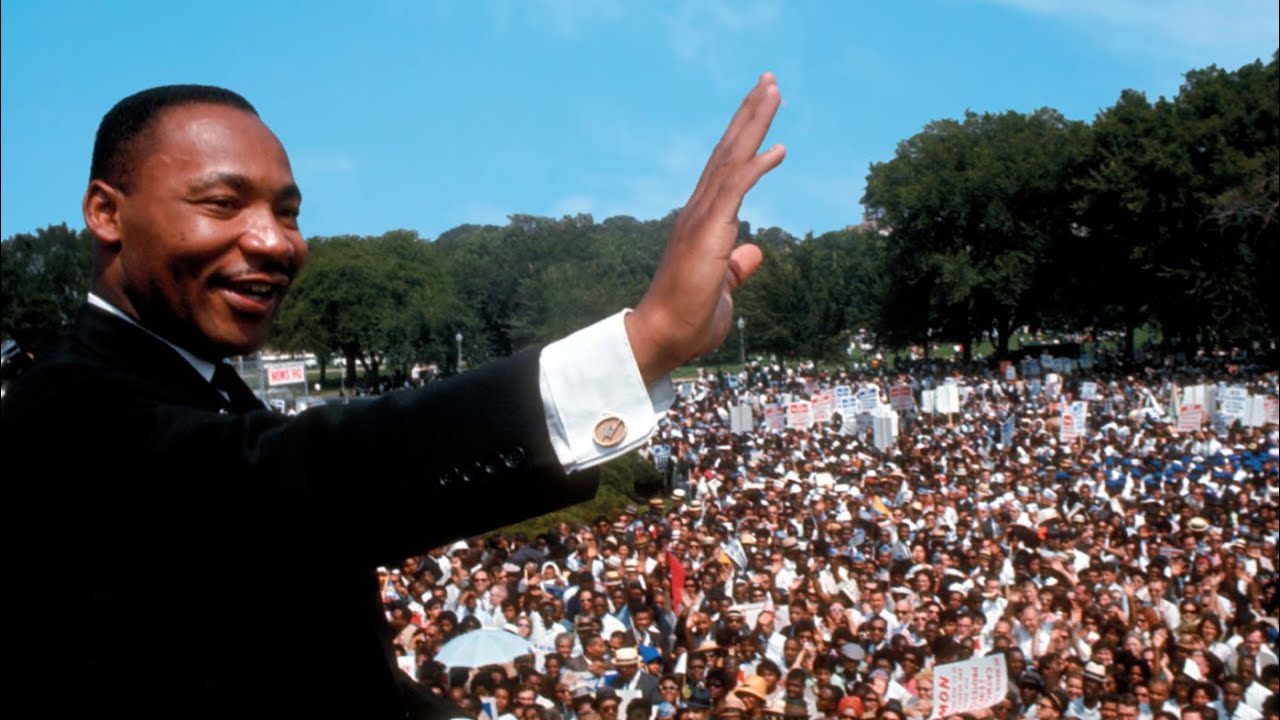
Martin Luther King Jr. was a Baptist minister and a civil rights leader who was well-known for his dedication to nonviolence and social justice.

What Religion is Martin Luther King

Martin Luther King Jr. was a Christian. He was specifically a Baptist minister who deeply wove his faith into his work for justice.

Religion: Baptist Christianity
Profession: Civil Rights Leader
Date of birth: January 15, 1929
Zodiac sign: Capricorn
Nationality: American

With over 15 years of experience in social justice advocacy, I can share that the impact of Martin Luther King on civil rights movements around the world is profound. His teachings continue to inspire people who are fighting for equality and justice.

Martin Luther King Early Life and Religion

Born on January 15, 1929, in Atlanta, Georgia, Martin Luther King Jr. grew up in a family that held strong religious values. His father, Martin Luther King Sr., was a well-respected pastor at Ebenezer Baptist Church. King’s early life was filled with the teachings of the church, which had a significant influence on his perspective and his commitment to civil rights. From an early age, he showed remarkable intelligence and moral insight, often contemplating issues of race and justice.

  • King attended public schools in Atlanta that were segregated.
  • He graduated from high school at the young age of 15.
  • His experiences with racial segregation inspired him to seek change through peaceful means.

Martin Luther King Background: Religious Roots & Family

The foundations of Martin Luther King religion run deep within his family history. Both his father and grandfather were key figures in their church communities, serving as pastors at Ebenezer Baptist Church. This family legacy instilled in King a strong sense of responsibility towards social justice, rooted in Christian values.

  • His maternal grandfather, Adam Daniel Williams, was also a minister who helped elevate the family’s status within their community.
  • The family’s focus on education and service significantly shaped King’s identity as both a scholar and an activist.
  • The teachings from his parents highlighted love, compassion, and the necessity of standing up against injustice.

Martin Luther King Views on Faith and Spirituality

King’s understanding of faith was deeply influenced by his upbringing and education. He believed that spirituality was not just about personal salvation; it was also about advocating for justice for others. He frequently expressed that true faith involves taking action in the face of oppression. One of his notable quotes reflects this idea: “Faith is taking the first step even when you do not see the whole staircase.” This belief was central to his commitment to nonviolent resistance as a means of achieving social change.

Martin Luther King Religious Beliefs and Practices

Being mindful of his heritage, King actively engaged in church rituals and practices that reinforced his beliefs. These included:

  • Sermons: Delivering inspiring sermons that motivated congregants to take action against racial injustice.
  • Prayers: Participating in community prayers that highlighted unity and strength during tough times.
  • Baptism: Emphasizing the importance of baptism as a commitment to a life dedicated to serving God and humanity.

Martin Luther King Life Partner’s Religion

Coretta Scott King, who was Martin’s wife, shared his Christian beliefs while also bringing her own perspectives into their marriage. A talented musician and activist in her own right, Coretta often worked alongside Martin on various social issues. Her background enriched their family life with cultural traditions rooted in both African American heritage and Christian faith, creating a home where activism thrived alongside spiritual growth.

Martin Luther King Comparisons with Other Celebrities on Religion

When comparing Martin Luther King religion to other notable figures like Gandhi or Nelson Mandela, we can see similar themes in their beliefs. All three leaders highlighted nonviolence as a core principle of their philosophies:

  • Mahatma Gandhi: Advocated for nonviolent resistance against colonial rule in India.
  • Nelson Mandela: Fought against apartheid in South Africa while promoting reconciliation based on shared humanity.

Martin Luther King Religious Controversies or Public Discussions

King faced criticism throughout his career due to his connections with various organizations and individuals who were seen as controversial because of their political beliefs or lifestyles. For example, some people criticized him for his associations with figures linked to communism during the Cold War era. Nonetheless, King’s focus remained firmly on achieving civil rights through love and understanding, rather than through violence or division.

Martin Luther King Religion & Cultural Identity vs Belief

The connection between King’s religious beliefs and his cultural identity played a major role in his activism. He saw himself not only as a man of faith but also as a representative of African American culture fighting against systemic injustice. This dual identity strengthened his determination to integrate faith-based principles into the struggle for civil rights, leading many to view him as a bridge between religious conviction and cultural activism.

Conclusion

The legacy of Martin Luther King religion, intertwined with his fight for civil rights, still resonates today. His teachings remind us that faith can be a powerful driver for social change when paired with actions rooted in love and justice. King’s life serves as a testament to how one person’s spiritual beliefs can influence entire movements towards equality.

Related Queries

What were Martin Luther King’s main beliefs?

Martin Luther King’s main beliefs focused on nonviolence, equality, justice, and love for all people. He strongly believed that these principles could lead to real change in society.

How did Martin Luther King’s religion influence his activism?

The principles of Christianity had a significant impact on Martin Luther King’s activism; he employed nonviolent methods inspired by Jesus’ teachings to confront racial injustice.

What role did religion play in the Civil Rights Movement?

Religion was crucial to the Civil Rights Movement, offering moral guidance and community support; churches became organizing centers where leaders like Martin Luther King rallied activists.

How did Martin Luther King’s upbringing shape his views?

The strong religious upbringing provided by King’s parents instilled important values that shaped his worldview, emphasizing compassion, justice, and the importance of opposing oppression throughout his life.

Did Martin Luther King face any opposition due to his faith?

King faced opposition mainly because of his civil rights activism rather than directly due to his faith; however, some critics occasionally questioned how he blended politics and religion in his leadership style.

FAQs

What is Martin Luther King’s religious background?

Martin Luther King’s religious background is rooted in Baptism; he grew up in a devout Christian household where both parents were actively involved in church leadership roles, which influenced his future activism.

DID Martin Luther King participate in any interfaith dialogues?

King took part in many interfaith dialogues aimed at fostering understanding among various religious groups while advocating for peace and equality during the Civil Rights Movement.

What did Martin Luther King believe about God?

King believed strongly in God’s presence in humanity; he often spoke about divine guidance leading toward justice while emphasizing love as central to fulfilling God’s purpose on earth.

DID religion play a role in King’s speeches?

King’s speeches often referenced biblical themes; he used religious imagery to connect emotionally with audiences while reinforcing calls for justice based on shared spiritual beliefs across cultures.

DID Martin Luther King’s views evolve over time?

King’s views evolved as he expanded his focus from civil rights advocacy to include economic equality; he began addressing broader issues like poverty while maintaining faith-driven approaches throughout those changes.

If you are interested in learning more about religion, please visit whatreligionisinfo.com.

Find Celebrities Religions

Discover the religious beliefs and spiritual journeys of celebrities worldwide. At What Religion Info, we provide accurate, engaging insights into the faiths of personalities from entertainment, sports, politics, and more. Explore our site to learn about the fascinating connections between fame and faith!

Frenklen

My name is Frenklen and I’m an expert on the intersections of religion, spirituality, and celebrity culture with over 15 years of experience researching and analyzing this fascinating space. As someone who has dedicated their career to understanding the faith traditions and spiritual explorations of public figures