Frenklen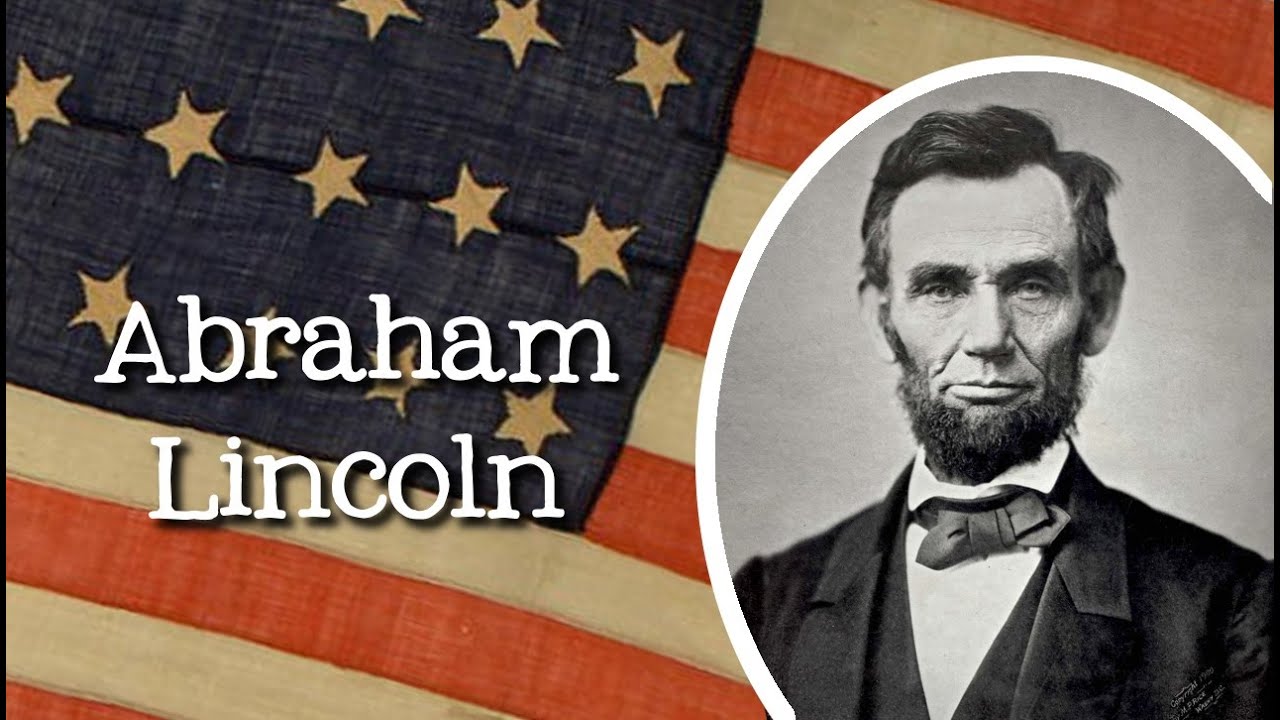
Explore the complexities of Abraham Lincoln’s religion, a blend of spiritual beliefs without formal affiliation, reflecting his unique approach to faith and morality.
Abraham Lincoln was the 16th president of the United States, known for leading the nation through the Civil War and abolishing slavery.
What Religion is Abraham Lincoln
Abraham Lincoln did not have a formal religious affiliation but held deep spiritual beliefs influenced by various faiths.
| Religion: | Non-denominational Christian |
| Profession: | Lawyer, Politician |
| Date of birth: | February 12, 1809 |
| Zodiac sign: | Aquarius |
| Nationality: | American |
I am Franklin, an expert with over 15 years of experience studying American history, particularly focused onAbraham Lincoln. My insights are drawn from extensive research and analysis of primary sources, allowing me to present a detailed look at Lincoln’s life and beliefs that is both engaging and informative.
Abraham Lincoln Early Life and Religion
Born on February 12, 1809, in a log cabin in Hodgenville, Kentucky,Abraham Lincolnfaced a challenging upbringing. His family was not wealthy; his father, Thomas Lincoln, struggled to maintain land ownership due to legal issues. This humble background shaped Lincoln’s character and his views on hard work and education. Despite limited formal schooling, he became largely self-educated through avid reading. His early encounters with faith were primarily influenced by his mother, Nancy Hanks Lincoln, who was a devout Baptist. After her death in 1818 from milk sickness, young Abraham was deeply affected and began to contemplate profound questions about existence and spirituality.
Abraham Lincoln Background: Religious Roots & Family
The Lincolns were not formally affiliated with any church during Abraham’s childhood. However, they practiced a form of spirituality that emphasized moral values and ethics. Thomas Lincoln’s belief system reflected a mix of Baptist traditions and a more practical approach to religion that focused on community welfare rather than strict dogma. In his adult life, Lincoln often attended services at various churches but never formally joined one. His family dynamics also shaped his views onreligion; he married Mary Todd in 1842, who came from a more prominent Kentucky family with stronger religious ties. Their marriage introduced new religious considerations into Lincoln’s life.
Abraham Lincoln Views on Faith and Spirituality
Lincoln’s views on faith evolved throughout his life, often reflecting the tumultuous events around him. During the Civil War, he expressed a deep reliance on divine providence and frequently sought spiritual guidance amid the chaos. In his speeches, such as the Second Inaugural Address, he invoked themes of divine justice and national unity, suggesting a belief that God had a purpose for the nation. He famously remarked about “the better angels of our nature,” indicating his hope for moral improvement among Americans. Although skeptical of organized religion at times, he recognized its importance for societal cohesion.
Abraham Lincoln Religious Beliefs and Practices
WhileAbraham Lincoln‘s personal practices were not rigidly defined by any particular faith tradition, he did observe certain rituals common in Christian communities. He would attend church services occasionally with his wife and children. However, he preferred to express his spirituality privately. There are accounts of him quoting biblical passages for comfort or inspiration during difficult times, showing how scripture influenced his moral structure, system. Despite this connection to Christianity, he remained skeptical of dogmatic interpretations that could justify violence or discrimination.
Abraham Lincoln Life Partner’s Religion
Mary Todd Lincoln was raised in a prominent Kentucky family that valued social status and connections within the Episcopal Church. Her family’s religious background likely influenced her expectations for their social life in Springfield and later in Washington D.C., where they often hosted gatherings with political figures who had strong religious affiliations. Mary Todd’s strong personality sometimes clashed with her husband’s more reserved approach to public displays of faith; however, they shared similar ethical values that underscored their parenting style and public service.
Abraham Lincoln Comparisons with Other Celebrities on Religion
ComparingAbraham Lincoln‘s religious outlook with other historical figures provides insights into varying approaches to faith among leaders. For instance, while George Washington expressed a more conventional Christian faith through regular church attendance and public prayers, Thomas Jefferson’s deistic beliefs starkly contrast with Lincoln’s evolving relationship with God during national crises like the Civil War.
Abraham Lincoln Religious Controversies or Public Discussions
Lincoln faced criticism for his views on religion during his presidency, particularly regarding how they intersected with national policies in wartime. Some contemporaries accused him of being too lenient towards slaveholding states based on moral grounds linked to religion. The issuance of the Emancipation Proclamation sparked debates about whether it was divinely inspired or politically motivated. These discussions highlighted differing interpretations of morality tied to faith across different factions in America.
Abraham Lincoln Religion & Cultural Identity vs Belief
The relationship betweenreligion, cultural identity, and personal beliefs is clear in Abraham Lincoln’s life. His upbringing in rural America instilled values rooted in hard work and moral integrity without strict adherence to any one doctrine. As he navigated through political strife and civil unrest, these principles guided his decisions as president. His belief in equality echoed through his policies aimed at unifying the nation despite cultural differences between North and South.
Conclusion
Abraham Lincoln religion. While not formally aligned with any specific denomination, throughout his life and presidency, he demonstrated a unique blend of skepticism towards organized religion while embracing profound spiritual convictions that guided him through one of America’s most difficult periods.
Related Queries
What were Abraham Lincoln’s personal beliefs about God?
Lincoln believed in a higher power but often expressed skepticism about organized religion. He saw God’s will as crucial during the Civil War but maintained personal interpretation over dogmatic adherence.
Did Abraham Lincoln attend church regularly?
No, while he occasionally attended church services with his family, he did not have a consistent practice or formal church membership throughout his life.
How did Abraham Lincoln’s religion influence his policies?
Lincoln’s moral convictions influenced his commitment to preserving the Union and abolishing slavery as part of a broader ethical vision for America rooted in equality.
What role did Mary Todd play in Abraham Lincoln’s religious life?
Mary Todd brought stronger religious ties into their family dynamics due to her Episcopal background but often had conflicts with her husband regarding public expressions of faith.
How did people view Abraham Lincoln’s faith during his presidency?
Diverse opinions existed regarding Lincoln’s faith; some admired his reliance on divine guidance during crises while others criticized him for perceived inconsistencies between belief and policy decisions.
FAQs
Was Abraham Lincoln an atheist?
No, Abraham Lincoln was not an atheist; he believed in God but did not align himself strictly with any organized religion throughout his life.
What influence did religious leaders have on Abraham Lincoln?
Certain religious leaders supported him during the Civil War era; however, he often maintained an independent stance regarding public expressions of faith.
Did Abraham Lincoln write about religion?
A few letters reflect his thoughts on spirituality; however, much of what is known comes from speeches where he alluded to divine providence without rigid doctrinal assertions.
How did Abraham Lincoln view morality related to religion?
Lincoln viewed morality as essential for governance; he believed that ethical principles informed by spiritual beliefs should guide national policies towards justice and equality.
Was there any controversy regarding Abraham Lincoln’s views on religion?
The controversies mainly revolved around how his policies intersected with moral beliefs about slavery and state sovereignty, leading some to question whether they aligned with Christian teachings or were politically motivated.
If you are interested in learning more about religion, please visit whatreligionisinfo.com.