Frenklen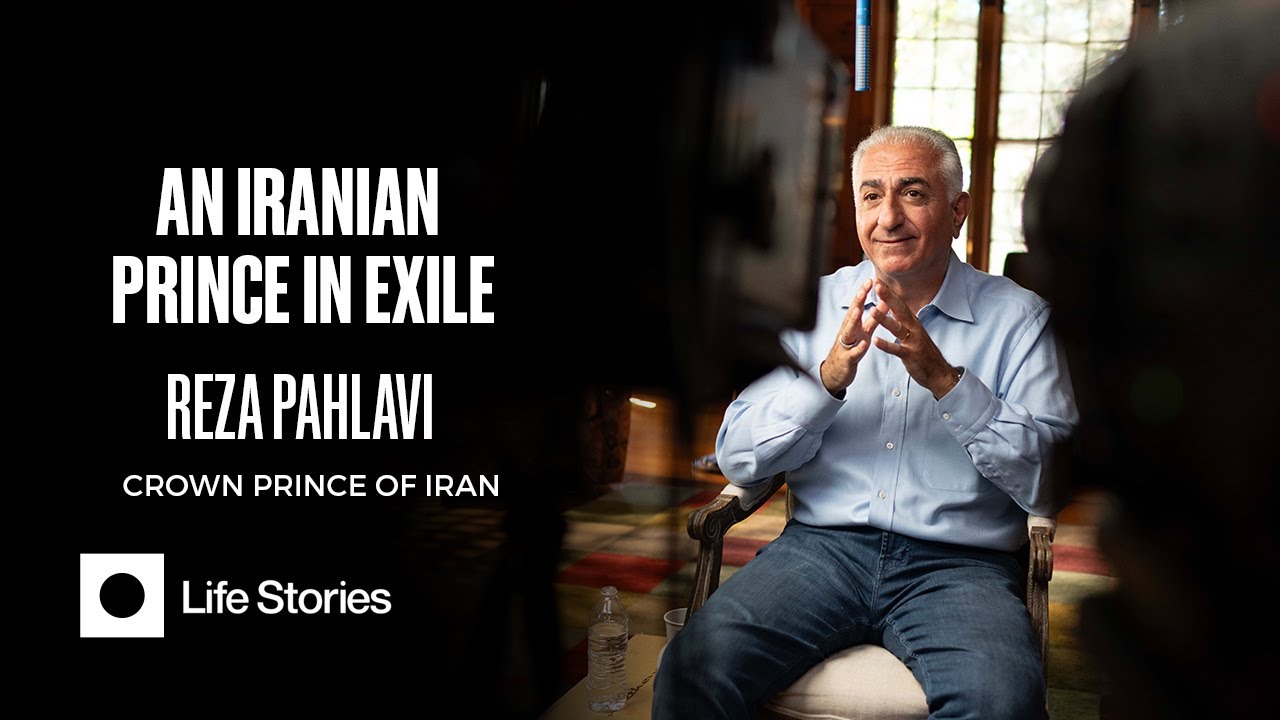
Discover the beliefs of Reza Pahlavi religion, as he identifies as a Shia Muslim while advocating for democracy and secular governance in Iran.
Reza Pahlavi is the exiled Crown Prince of Iran, advocating for democracy and secular governance in his homeland.
What Religion is Reza Pahlavi
Reza Pahlavi identifies as a Shia Muslim, reflecting his family’s deep-rooted religious traditions.
| Religion: | Shia Islam |
| Profession: | Political Activist |
| Date of birth: | October 31, 1960 |
| Zodiac sign: | Scorpio |
| Nationality: | Iranian |
With over 15 years spent studying politics and culture, I have seen how Reza Pahlavi’s story is full of twists and turns. He started as the son of a king and became a leading voice for change in Iran. His life is a mix of faith, family, and the struggle to find his place in a world that changed overnight.
Reza Pahlavi Early Life and Religion
Reza Pahlavi was born in Tehran into the famous Pahlavi dynasty. His father was Mohammad Reza Pahlavi, the last Shah of Iran. As a child, Reza went to private schools meant for royalty and later trained as a pilot in the United States at Reese Air Force Base.
Growing up, he saw both Western and Iranian ways of life. Shia Islamic teachings were part of his upbringing, but the Shah’s rule tried to modernize Iran while keeping old traditions alive. This made Reza’s relationship with religion complicated. He was raised with faith, but as he got older, he started to believe that religion and government should be kept apart.
Reza Pahlavi Background: Religious Roots & Family
The Pahlavi family’s story is tied to Shia Islam and Persian culture. Reza’s mother, Farah Diba, worked to modernize Iran but also respected its traditions. This mix shaped how Reza thinks about religion and leadership.
- Father:Mohammad Reza Pahlavi – Last Shah of Iran; represented monarchy.
- Mother:Farah Diba – Advocated for women’s rights and education; influenced by Shia beliefs.
- Siblings:Included Ali Reza and Farahnaz; all raised under similar cultural and religious influences.
Reza Pahlavi Views on Faith and Spirituality
Pahlavi often talks about how spirituality matters in personal life. He knows his Shia roots but says that real leadership should put secular values first. In interviews, he has said, “A democratic Iran must embrace the principle of separating religion from state.” He wants Iran to be a place where people of all faiths can live together peacefully.
Reza Pahlavi Religious Beliefs and Practices
Pahlavi’s religious life is more about symbolism than strict rituals. He calls himself a Shia Muslim, but his faith is tied to his national identity, not just religious rules. For example:
- Pahlavi has joined ceremonies that honor Zoroastrianism, showing respect for Iran’s ancient religions.
- He speaks up for freedom of religion as part of his dream for a democratic Iran.
- Pahlavi meets with different faith groups to talk about human rights and democracy.
Reza Pahlavi Life Partner’s Religion
Yasmine Etemad-Amini, Reza Pahlavi’s wife, comes from a similar Iranian background. Her personal religious practices are not widely known, but she takes part in events that celebrate Iranian culture with her husband. Together, they show their shared love for Iran and its traditions while working for change.
Reza Pahlavi Comparisons with Other Celebrities on Religion
Pahlavi’s way of handling religion is different from many other leaders. Some use faith to guide their politics, but he does not. For example:
- Mahatma Gandhi:Followed Hindu principles and focused on moral values, not just power.
- Nelson Mandela:Believed in reconciliation, inspired by Christian values, but did not push them in politics.
- Pahlavi wants a secular democracy where no faith is above others.
Reza Pahlavi Religious Controversies or Public Discussions
Pahlavi has faced criticism for his secular views. Some say his push for democracy goes against Shia Islamic values that many Iranians hold dear. Still, he keeps calling for open talks about changing Iran’s politics without making religious law the rule, which is a hot topic among conservatives.
Reza Pahlavi Religion & Cultural Identity vs Belief
The mix ofReza Pahlavi religion, culture, and personal beliefs shows how complicated things are in Iran today. He is a Shia Muslim, but his support for secular government is a break from what people expect from someone with royal roots. Many young Iranians want freedom from strict rule but still feel proud of their culture, and Reza’s story fits right into that.
Conclusion
Reza Pahlavi’s life is full of challenges. He is an exiled leader who wants to change Iran for the better. His push for secular democracy is tied to his Shia Muslim identity, and this shapes how he sees Iran’s future. Looking atReza Pahlavi religion, his family, and his culture helps explain what drives him as he faces the tough world of Iranian politics.
Related Queries
What are Reza Pahlavi’s contributions to Iranian culture?
Pahlavi works to bring Iranians together by speaking about unity and human rights. He joins cultural events that honor both old Persian traditions and the issues people face today.
How does Reza Pahlavi view interfaith relations?
Pahlavi thinks interfaith talks are key to building a welcoming society in Iran. He believes that respecting different beliefs will help people live together in peace.
What role does religion play in Reza Pahlavi’s political ideology?
Pahlavi sees religion as something personal. He wants government to be secular so everyone has equal rights, no matter what they believe.
Has Reza Pahlavi faced backlash regarding his religious views?
Some groups in Iran do not like Pahlavi’s secular ideas. They think he is moving away from Islamic values. His support for democracy often clashes with those who want religious law to be the main rule.
What are Reza Pahlavi’s future plans regarding Iranian governance?
Pahlavi hopes to lead a temporary government after the Islamic Republic, based on democracy. He wants people to be free to share their beliefs without fear of being treated unfairly because of religion or ethnicity.
FAQs
What is Reza Pahlavi’s current stance on Iranian politics?
Pahlavi is working for a secular democratic government in Iran. He talks about human rights and asks the world to support those fighting against the current regime.
Does Reza Pahlavi support any specific religious group?
Pahlavi supports freedom for all religions in Iran. He mainly wants a secular state where no religion controls politics or people’s rights.
How does Reza Pahlavi engage with younger Iranians?
Pahlavi uses social media to reach young people. He encourages them to join protests and speak up for freedom and change in Iran.
Is there any indication of how Iranians feel about Reza Pahlavi’s religious views?
Iranians have mixed feelings. Some like his secular ideas, while others think he is turning away from values that matter to them.
What influence does Reza Pahlavi have on international perceptions of Iran?
Pahlavi tries to change how the world sees Iran. He talks about human rights problems under the current regime and shares a hopeful vision for a future led by the people.
If you are interested in learning more about religion, please visit whatreligionisinfo.com.