 Frenklen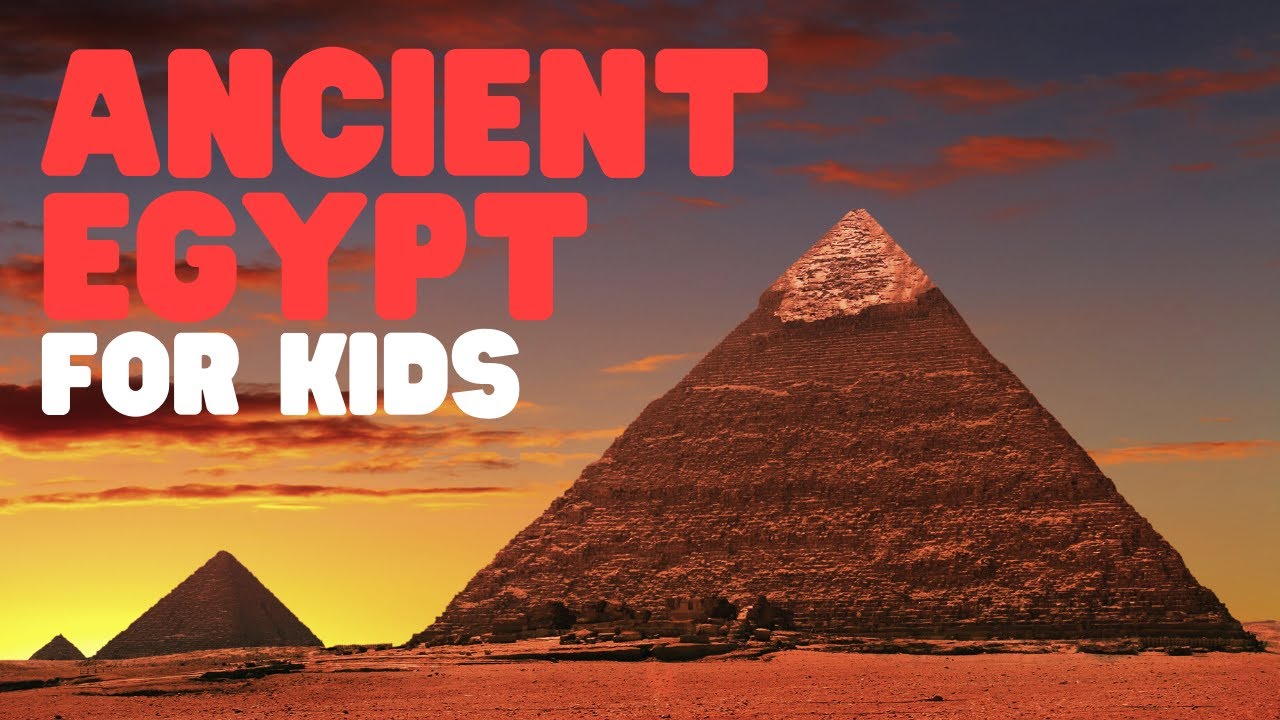
Explore Ancient Egyptian religion, a complex polytheistic belief system featuring a rich pantheon of gods and goddesses that shaped their civilization and culture.
Ancient Egyptian civilization was a sophisticated society known for its rich culture, monumental architecture, and profound religious beliefs.
What Religion is Ancient Egyptian
The religion of the Ancient Egyptian civilization was polytheistic, worshipping a vast pantheon of gods and goddesses, each embodying various aspects of life and nature.
| Religion: | Polytheism |
| Profession: | Priest, Pharaoh, Scribe |
| Date of birth: | N/A |
| Zodiac sign: | N/A |
| Nationality: | Egyptian |
I am Franklin, an expert with over 15 years of experience in ancient civilizations. My extensive research and insights into theAncient Egyptianculture provide a unique perspective on their historical significance. Especially regarding their remarkable achievements in governance.
Ancient Egyptian Early Life and Religion
The foundation ofAncient Egyptian religioncan be traced back to the Predynastic period when early Egyptians began to form complex social structures along the Nile River. The annual flooding of the Nile not only nourished the land but also became central to their agricultural calendar, leading to the development of seasonal festivals that celebrated the gods associated with fertility and harvest.
- The belief in divine kingship was prevalent, where pharaohs were considered gods on earth.
- Rituals included offerings to deities at temples and in households, emphasizing the importance of divine favor.
- The creation myth from Heliopolis described how the sun god Ra created all life from chaos.
Ancient Egyptian Background: Religious Roots & Family
The religious upbringing in Ancient Egypt was heavily influenced by familial ties and regional practices. Most families would honor household gods alongside major deities like Osiris and Isis. Temples served as both religious centers and economic hubs, with priests conducting daily rituals to maintain cosmic order (Ma’at).
- Children learned about religious traditions from their parents and through formal education in temples.
- Scribes played a vital role in recording sacred texts and rituals, ensuring continuity in religious practices.
- The family structure often mirrored societal hierarchies, with roles assigned based on age and gender within religious contexts.
Ancient Egyptian Views on Faith and Spirituality
The Ancient Egyptians had a many-sided view of faith that intertwined daily life with spiritual practice. They believed that maintaining harmony with the gods was crucial for prosperity and wellbeing.
- The concept ofMa’at, representing truth and justice, was central to their moral values.
- Spirituality was expressed through elaborate rituals that sought divine guidance for personal and communal issues.
- Dream interpretation played a significant role in understanding divine messages.
Ancient Egyptian Religious Beliefs and Practices
The rituals practiced by the Ancient Egyptians were rich in symbolism and deeply integrated into their culture. Major festivals included:
- Wepet-Renpet:Celebrating the New Year, marking the flooding of the Nile.
- Sed Festival:A renewal ceremony for pharaohs that symbolized their continued rule.
- Sacrifices of animals were common at temples, believed to appease the gods and secure blessings for agriculture.
Ancient Egyptian Life Partner’s Religion
Marriages in Ancient Egypt often involved shared religious beliefs which strengthened family ties. Spouses typically worshipped together at household shrines or participated in larger temple ceremonies. While documentation is sparse regarding individual partners’ faiths, it is evident that mutual participation in rituals reinforced their bonds.
Ancient Egyptian Comparisons with Other Celebrities on Religion
Comparatively, other ancient cultures also embraced polytheism; however, Ancient Egypt’s unique integration of religion into governance set it apart. For example:
- The Mesopotamians had similar beliefs but operated under city-states without a centralized religious authority like the pharaohs in Egypt.
- The Greeks developed philosophies questioning traditional beliefs more openly than the Egyptians maintained.
Ancient Egyptian Religious Controversies or Public Discussions
Throughout its history, Ancient Egypt faced internal debates about religious practices. The most notable was during Akhenaten’s reign when he attempted to shift worship solely to Aten, challenging centuries-old traditions. This radical departure sparked resistance among priests devoted to other deities.
Ancient Egyptian Religion & Cultural Identity vs Belief
The relationship between religion and cultural identity in Ancient Egypt was profound. Their rich mythology informed art, literature, and architecture, each reflecting their spiritual beliefs. Temples adorned with hieroglyphs served as both places of worship and cultural repositories:
- The pyramids symbolize not just royal tombs but also reflect beliefs about the afterlife.
- Cultural festivals reinforced community identity through shared rituals celebrating their gods.
Conclusion
The legacy ofAncient Egyptian religion, deeply interwoven with every aspect of society from governance to daily life, showcases a civilization that revered its deities while establishing a complex social order. Their spiritual practices left an indelible mark on human history through monumental architecture and vibrant cultural expressions.
Related Queries
What were key elements of Ancient Egyptian religion?
The key elements included polytheism with numerous gods representing natural forces; rituals involving offerings; elaborate burial customs; and festivals celebrating agricultural cycles linked to deities like Osiris and Isis.
How did Ancient Egyptians view the afterlife?
The afterlife was seen as a continuation of life on earth where one’s actions determined their fate. The concept of judgment by Osiris was central to this belief system; individuals underwent a weighing of hearts against Ma’at’s feather to ascertain their worthiness for eternal life.
What role did priests play in Ancient Egyptian society?
Priests were pivotal as intermediaries between gods and people. They performed rituals at temples, managed resources dedicated to deities, and ensured that society adhered to religious tenets necessary for prosperity.
How did Ancient Egyptians celebrate their gods?
Celebrities such as pharaohs would hold grand festivals featuring music and dance.
Did women have religious roles in Ancient Egypt?
Yes, women could hold significant positions within religious contexts such as priestesses or even Pharaohs like Hatshepsut who integrated spiritual authority into governance while participating actively in temple rituals alongside men.
FAQs
What is the primary god worshipped by Ancient Egyptians?
The primary god varied over time; however, Ra (the sun god) was widely revered as one of the most important deities symbolizing creation and life itself throughout much of ancient history.
How did agriculture influence Ancient Egyptian religion?
Agriculture significantly influenced religion due to reliance on seasonal flooding of the Nile which dictated planting cycles. Festivals honoring gods associated with fertility ensured successful harvests were integral components of their spirituality.
What are some famous temples related to Ancient Egyptian religion?
The Temple of Karnak is one of the most famous sites dedicated primarily to Amun-Ra; it showcases impressive architecture reflecting ancient beliefs while serving as a center for worship during various dynasties across centuries.
Diversity within Ancient Egyptian religions: how significant was it?
Diversity existed within worship practices reflecting regional variations as different cities emphasized certain deities; yet overarching themes remained unified under key concepts like Ma’at that permeated across all forms of spirituality throughout Egypt’s history.
Please explain mummification’s significance within religion?
Mummification held immense significance as it reflected beliefs about preservation for afterlife journeys. It was seen as essential for ensuring one’s soul could reunite with its body, a core tenet underlying many funerary customs rooted deeply within ancient spirituality.
If you are interested in learning more about religion, please visit whatreligionisinfo.com.


