Frenklen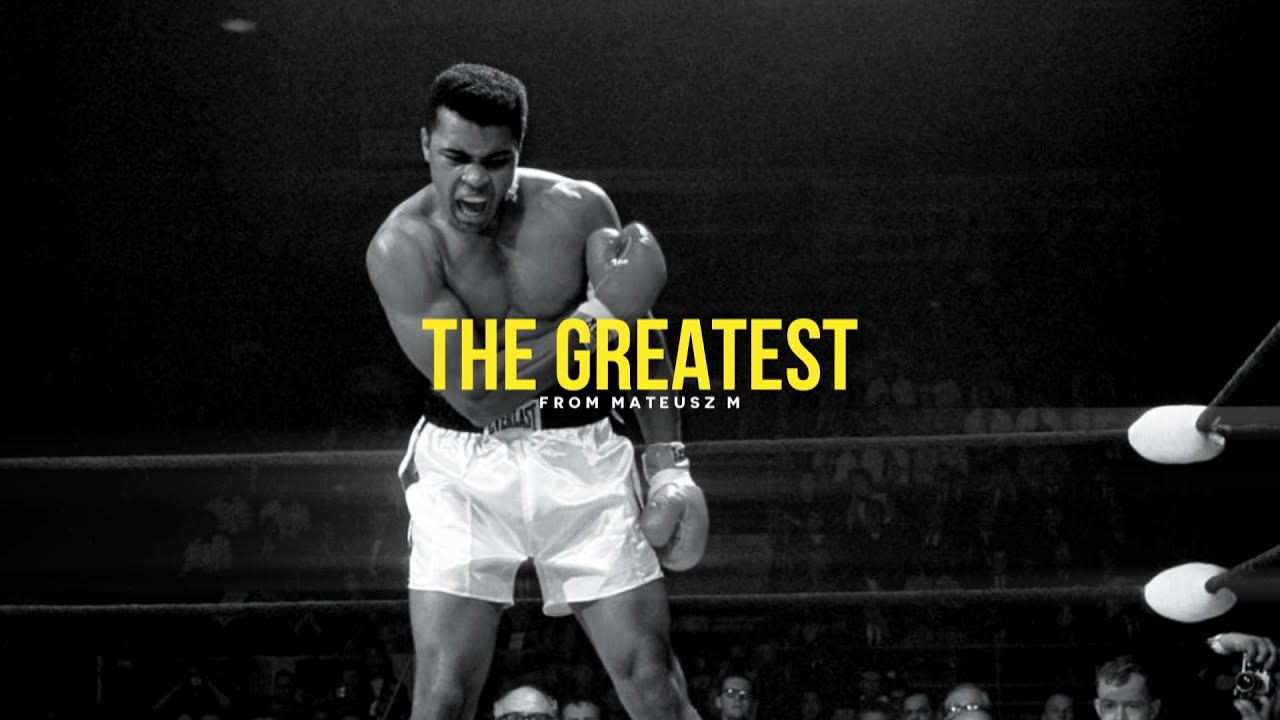
Discover the journey of Muhammad Ali religion as he transitioned from Christianity to Sunni Islam, shaping his identity as a legendary boxer and activist.
Muhammad Ali, a legendary boxer and activist, is well-known for his significant impact on sports and social justice.
What Religion is Muhammad Ali
Muhammad Ali’s spiritual journey moved from Christianity to Islam, particularly to the Muhammad Ali religion of Sunni Islam.
| Religion: | Islam (Sunni) |
| Profession: | Professional Boxer |
| Date of birth: | January 17, 1942 |
| Zodiac sign: | Capricorn |
| Nationality: | American |
As an expert with over 15 years of experience in sports journalism and cultural studies, I have closely followed Muhammad Ali’s life and career. His legacy goes beyond boxing; it includes his strong activism for social justice, his exploration of spirituality, and his cultural influence. In this article, we will take a closer look at the different aspects of Ali’s life, especially his Muhammad Ali religion, early influences, and the lasting impact he had on society.
Muhammad Ali Early Life and Religion
Muhammad Ali was born Cassius Marcellus Clay Jr. on January 17, 1942, in Louisville, Kentucky. He grew up in a Baptist household and was greatly influenced by his parents’ teachings. His father worked as a sign painter while his mother was a domestic helper. Despite experiencing racial discrimination as a child such as being denied service at a restaurant because of his race Ali developed a strong sense of self-worth and pride that later defined his character both in and out of the ring.
- Ali started training in boxing at age 12 after a police officer introduced him to the sport following an incident where his bike was stolen.
- He won a gold medal in the light heavyweight division at the 1960 Rome Olympics before turning professional later that year.
- During this period, he encountered various ideologies and beliefs that would ultimately influence his spiritual path.
Muhammad Ali Background: Religious Roots & Family
A key part of Muhammad Ali’s life was how his family influenced his religious upbringing. His mother’s faith was crucial in instilling moral values and a sense of community in him. The Clay family attended church regularly, which played an important role in shaping young Cassius’s understanding of faith. However, it was during his teenage years that he began to explore other spiritual paths.
- In the early 1960s, Ali joined the Nation of Islam (NOI).
- This shift marked a change in his identity; he rejected his birth name as a “slave name” and took on the name Muhammad Ali after converting to Islam.
- The Nation of Islam gave him a sense of belonging and purpose during a turbulent time in American history filled with civil rights struggles.
Muhammad Ali Views on Faith and Spirituality
Muhammad Ali’s views on faith were closely tied to his identity as both an athlete and an activist. He often discussed how important spirituality was in guiding one’s actions and decisions. His conversion to Islam instilled in him a sense of responsibility toward his community and humanity at large.
- Ali famously stated, “I ain’t got no quarrel with them Viet Cong,” highlighting his moral opposition to the Vietnam War, which was influenced by his religious beliefs.
- This statement not only showcased his pacifist stance but also resonated with many who felt similarly marginalized by society.
- Throughout his life, he emphasized that faith provided him with guidance and strength during tough times.
Muhammad Ali Religious Beliefs and Practices
Ali’s religious practices evolved over the years. Initially, he was aligned with the teachings of the Nation of Islam, but he later embraced Sunni Islam after distancing himself from some of the NOI’s tenets. His beliefs were marked by a commitment to social justice, human rights, and equality for all.
- Ali regularly participated in prayers, observed fasting during Ramadan, and encouraged others to learn about Islamic teachings.
- His public persona often included discussions about faith, urging people to respect each other regardless of their backgrounds or beliefs.
- He also highlighted the importance of charitable acts within Islam, engaging in philanthropy throughout his life.
Muhammad Ali Life Partner’s Religion
Muhammad Ali was married four times during his lifetime. His last wife, Yolanda “Lonnie” Williams, shared many of his values, but her personal religious background is not as well documented compared to Ali’s prominent Islamic faith. Their relationship demonstrated mutual respect for each other’s beliefs while navigating life together as public figures.
- Lonnie supported Ali during his health challenges later in life and was actively involved in various charitable activities alongside him.
- Their partnership showcased a blend of faiths, both emphasizing values such as love, compassion, and service to others.
Muhammad Ali Comparisons with Other Celebrities on Religion
Muhammad Ali’s religious journey can be compared to that of other significant figures who navigated their identities through faith. For example, Martin Luther King Jr. Both men were shaped by their convictions, which guided their efforts against injustice.
- Unlike many athletes who focused solely on their sports careers or stayed apolitical, both King and Ali intertwined their faith with their public personas to tackle social issues.
- This approach has inspired countless individuals across generations to reflect on how their beliefs can inform their actions in society.
Muhammad Ali Religious Controversies or Public Discussions
Ali’s outspoken views on religion often led him into controversies. His refusal to be drafted into the Vietnam War on religious grounds sparked significant public debate about patriotism versus personal conviction.
- This decision made him one of the most polarizing figures in America; while some admired him for standing up for his beliefs, others saw him as unpatriotic.
- The backlash included death threats and public criticism; however, over time, opinions shifted as societal views on the war changed.
- The Supreme Court eventually overturned his conviction for draft evasion in 1971, a key moment affirming that personal beliefs could challenge governmental authority.
Muhammad Ali Religion & Cultural Identity vs Belief
The relationship between Muhammad Ali’s Muhammad Ali religion, cultural identity, and personal beliefs created a unique picture that reflected both individual conviction and collective struggle. His transition from Christianity to Islam not only represented personal growth but also echoed larger themes within African American history battles against oppression intertwined with the quest for spiritual fulfillment.
- Ali’s boxing career mirrored these journeys; each match represented more than just athletic ability it resonated with cultural pride and resistance against racial injustice.
- This connection between faith and identity allowed him to engage deeply with diverse audiences who saw reflections of their own struggles in his story.
Conclusion
Muhammad Ali’s journey through religion illustrates how personal belief systems can significantly shape lives. From embracing Muhammad Ali religion, which emphasized justice and equality, to openly discussing faith in the face of societal challenges, he remains an enduring symbol. His legacy continues to inspire conversations about spirituality intertwined with activism today.
Related Queries
What was Muhammad Ali’s view on Christianity?
Muhammad Ali grew up in a Christian family but eventually transitioned to Islam through the Nation of Islam. He often expressed respect for all religions while emphasizing that Islamic principles guided many of his life decisions and activism.
How did Muhammad Ali practice Islam?
Aside from daily prayers and fasting during Ramadan, Muhammad Ali was actively engaged in charitable works that reflected Islamic teachings. He encouraged understanding among different faiths while promoting peace and justice throughout his life.
Did Muhammad Ali face criticism for changing religions?
Yes, when Muhammad Ali converted from Christianity to Islam, he faced criticism from various sources, including media and public figures who questioned his loyalty to America during ongoing civil rights struggles. However, he maintained that faith was essential to achieving true freedom for all people.
What role did religion play in Muhammad Ali’s activism?
Religion served as both an inspiration and a driving force for Muhammad Ali’s activism. He frequently cited Islamic values when addressing social injustices like racism or war; this connection strengthened his resolve against what he perceived as moral wrongs impacting society as a whole.
How did Muhammad Ali’s faith influence his boxing career?
Ali’s faith played a crucial role throughout his boxing career from building confidence rooted in spirituality before fights to using his victories as platforms for addressing broader issues related to race relations and humanitarian concerns in communities around the world.
FAQs
What is Muhammad Ali known for beyond boxing?
Beyond his boxing achievements, Muhammad Ali is renowned for his civil rights activism. He used his fame to confront racial injustice while advocating for peace during politically turbulent times making him an enduring symbol of resistance against oppression globally.
Did Muhammad Ali ever regret leaving Christianity?
No documented evidence suggests that Muhammad Ali regretted leaving Christianity for Islam; instead, he embraced Islamic teachings wholeheartedly while recognizing the value across different faiths during discussions about spirituality with others in interviews or speeches.
How did Muhammad Ali’s conversion affect public perception?
The conversion initially divided public opinion about him; some admired it while others criticized it heavily, mainly because they associated religious affiliation with political views during contentious periods like the Vietnam War protests, where conscientious objection became a hot topic!
Was Muhammad Ali involved in interfaith dialogues?
A strong advocate for mutual respect among different religions, Muhammad Ali actively participated in interfaith dialogues, showcasing unity through diversity and fostering understanding between communities regardless of background, establishing himself as an ambassador for peace!
Did Muhammad Ali influence other athletes regarding spirituality?
Certainly! Many athletes cite Muhammad Ali as a source of inspiration due to his deep commitment to faith and advocacy for social justice, encouraging them to use their platforms to create positive change within society while reflecting on spiritual values!
If you are interested in learning more about religion, please visit whatreligionisinfo.com.