Frenklen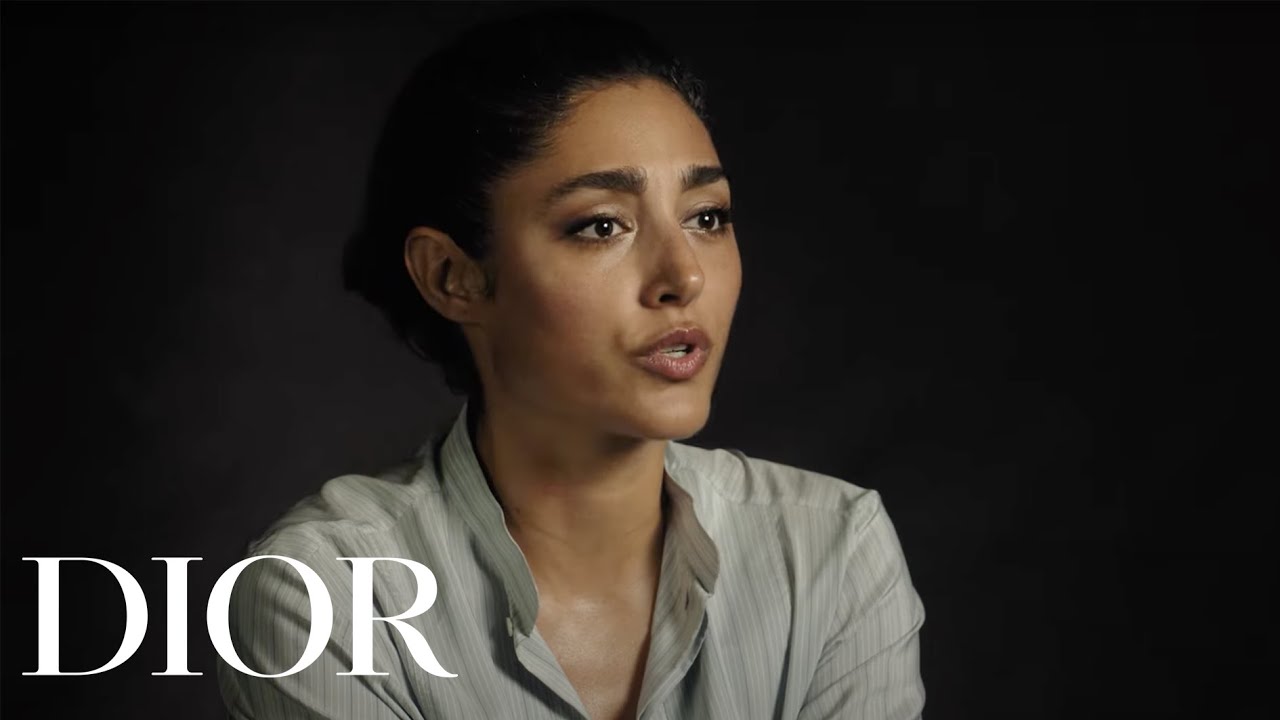
Discover the beliefs of Golshifteh Farahani as we explore her religion, rooted in her Iranian heritage—she practices Islam, shaping her cultural identity.
Golshifteh Farahani is an acclaimed Iranian-French actress known for her diverse roles and significant contributions to cinema.
What Religion is Golshifteh Farahani
Golshifteh Farahani practices Islam, which is rooted in her Iranian heritage and cultural background.
| Religion: | Islam |
| Profession: | Actress |
| Date of birth: | 10 July 1983 |
| Zodiac sign: | Cancer |
| Nationality: | Iranian, French |
I have spent over 15 years writing about influential people. When I look atGolshifteh Farahani, I see a story that covers her early life, career, and how her religious beliefs shape her art.
Golshifteh Farahani Early Life and Religion
Golshifteh Farahani was born in Tehran, Iran, on July 10, 1983. Her birth name is Rahavard Farahani. She grew up surrounded by art. Her father, Behzad Farahani, was a well-known theatre director and actor. Her mother, Fahimeh Rahiminia, was also involved in the arts. Golshifteh started studying music at five. At 14, she landed the lead role in Dariush Mehrjui’s film “The Pear Tree.” That role brought her early fame and the Crystal Roc for Best Actress at the Fajr International Film Festival.
Growing up in Iran, Golshifteh was influenced by Islamic values. The traditions and religious practices around her influenced her sense of self. Living in Iran’s complex society gave her a unique view of faith and how it connects to art.
Golshifteh Farahani Background: Religious Roots & Family
Golshifteh Farahani’sreligious roots are tied to her Iranian background. Her family’s love for theatre exposed her to creative ideas and cultural traditions. Islam is a big part of Iranian culture, so it naturally influenced her values and outlook.
- Father’s Influence:Behzad Farahani’s theatre work often explored themes about society and culture. This gave Golshifteh a base to think about complex stories.
- Cultural Celebrations:She took part in religious festivals that celebrated Islamic traditions. These experiences deepened her understanding of spirituality.
- Sister’s Role:Her sister, Shaghayegh Farahani, also became an actress. Their family supported their artistic dreams while keeping their cultural roots strong.
Golshifteh Farahani Views on Faith and Spirituality
Golshifteh Farahanihas a subtle approach to faith. She respects her Islamic background but also questions strict religious rules that limit freedom. In interviews, she says art should be about expressing yourself, not following rigid rules. She supports women’s rights and uses her platform to push for social change.
One example is her support for the Mahsa Amini protests. She spoke out for liberty and justice. Golshifteh believes faith should help artists explore their identity, not hold them back.
Golshifteh Farahani Religious Beliefs and Practices
Golshifteh Farahanifollows Islam, but her practices are shaped by her own experiences. Details about her daily rituals are not widely shared. Still, her upbringing gave her a sense of moral duty to help society.
- Cultural Traditions:She takes part in Islamic holidays like Ramadan, showing respect for her heritage.
- Moral Values:Golshifteh’s work for humanitarian causes matches Islamic teachings about kindness and helping others.
- Public Engagements:She uses different platforms to speak up for artists’ freedom in places with strict rules.
Golshifteh Farahani Life Partner’s Religion
Golshifteh Farahani’s love life has been in the spotlight. She married Amin Mahdavi in 2003, but they later separated. She was also linked to Christos Dorje Walker. Their relationship brought together different beliefs. Walker’s background is not well known, but being Australian suggests he may have a more secular view than traditional Islamic practices.
Golshifteh’s relationships show her openness to different beliefs while staying connected to her own Islamic roots.
Golshifteh Farahani Comparisons with Other Celebrities on Religion
Golshifteh Farahani’s journey is similar to other artists who balance their identity between cultures. For example:
- Tilda Swinton:Like Golshifteh, Tilda Swinton challenges norms through her roles and public statements about freedom and identity.
- Nazanin Boniadi:Another Iranian actress who talks about women’s rights in Iran and stays connected to her roots through advocacy.
- Paz Vega:The Spanish actress also deals with cultural expectations and personal beliefs that shape her career.
Golshifteh Farahani Religious Controversies or Public Discussions
Golshifteh Farahani’scareer has seen controversy, especially about religious freedom and women’s rights in Iran. After her role in Ridley Scott’s “Body of Lies,” where she appeared without hijab, she faced backlash from Iranian authorities. This made it hard for her to return home after 2009.
Her photo shoot for Madame Figaro, where she posed nude, sparked heated debates in Iran about femininity and freedom. Some critics called it a betrayal of traditional values, while others saw it as a brave stand against oppression.
Golshifteh Farahani Religion & Cultural Identity vs Belief
The mix ofGolshifteh Farahani’sreligion and cultural identity is complex. She grew up under strict rules from both politics and society tied to Islamic laws. Golshifteh’s story shows how personal beliefs can clash with cultural identity. Many in Iran face the same struggle, trying to balance tradition with modern ideas of freedom.
Golshifteh’s roles often challenge stereotypes about Muslim women but also honor parts of her cultural roots.
Conclusion
Golshifteh Farahani’s life and career are full of achievements and challenges connected to her faith and identity. Her story inspires those who fight for freedom of expression while respecting their roots. UnderstandingGolshifteh Farahani religionhelps us see how personal beliefs and art can connect.
Related Queries
What are Golshifteh Farahani’s views on women’s rights?
Golshifteh Farahanisupports women’s rights. Her views come from her own experiences and the wider issues in Iran. She speaks out against laws that limit women’s freedom and backs movements for equality in art.
How does Golshifteh express her spirituality?
Golshifteh Farahaniexpresses spirituality through activism and art. She values personal freedom over strict rules and uses her platform to start conversations about faith in society.
Does Golshifteh participate in any religious celebrations?
Golshifteh Farahanirespects Islamic traditions. While details are not always public, she likely observes important holidays like Ramadan to honor her heritage.
Cultural influences on Golshifteh’s work?
Golshifteh Farahani’swork is shaped by Iranian traditions and global cinema. Her roles often show the struggles women face in conservative societies, but they also connect with people everywhere through strong emotions.
Affect of exiled status on Golshifteh’s beliefs?
Being exiled has changedGolshifteh Farahani’sbeliefs. It made her value freedom of expression even more as she lives away from Iran’s restrictions. This experience influences her art and her public views on human rights.
FAQs
What prompted Golshifteh to leave Iran?
The need for creative freedom led Golshifteh Farahani to leave Iran after facing backlash for appearing without hijab in international films like “Body of Lies.”
Does Golshifteh’s work reflect Islamic values?
Her films sometimes reflect Islamic values, but she also questions strict interpretations that limit women artists’ individuality.
How does Golshifteh view art’s role within faith?
She believes art should go beyond limits set by faith. This view lets her explore spirituality and start conversations about social issues.
What kind of films does Golshifteh gravitate towards?
She chooses films that challenge societal norms, especially those found in patriarchal societies. Her work connects with audiences everywhere.
How does Golshifteh engage with fans regarding faith-related topics?
Through interviews and social media, she talks openly about faith-related topics. She believes everyone should have a voice in discussions about personal beliefs.
If you are interested in learning more about religion, please visit whatreligionisinfo.com.