Frenklen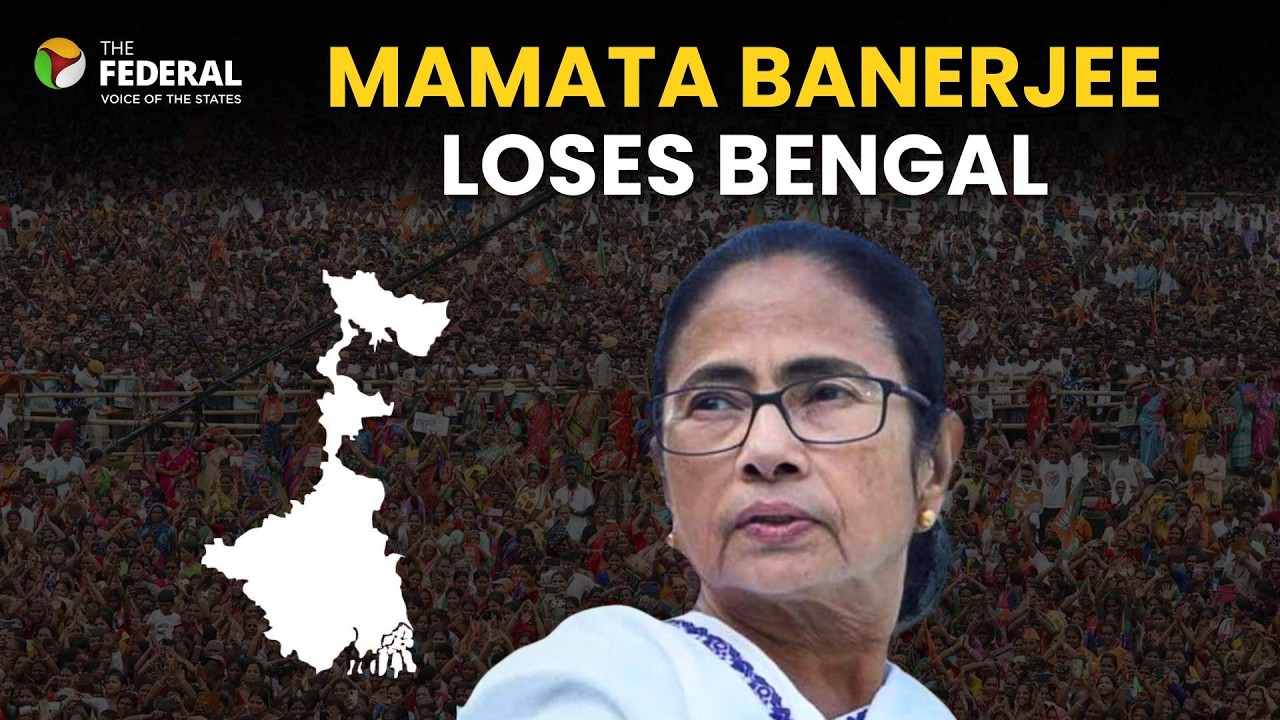
Discover Mamata Banerjee’s religion and her Hindu roots, reflecting her cultural upbringing as a prominent Indian politician and West Bengal’s first female Chief Minister.
Mamata Banerjee is a prominent Indian politician and the first woman Chief Minister of West Bengal. She is known for her strong political influence.
What Religion is Mamata Banerjee
Mamata Banerjee identifies as aHindu, which connects to her cultural roots and upbringing in a Bengali Brahmin family.
| Religion: | Hindu |
| Profession: | Politician and Lawyer |
| Date of birth: | 5 January 1955 |
| Zodiac sign: | Capricorn |
| Nationality: | Indian |
I am Franklin, an expert with over 15 years of experience in political analysis and cultural studies. My background lets me share clear commentary on the life and beliefs of influential figures like Mamata Banerjee, making it easier to understand her impact on Indian politics and society.
Mamata Banerjee Early Life and Religion
Mamata Banerjee was born on5 January 1955, in Kolkata, West Bengal, into a Bengali Brahmin family. Her early life was shaped by her family’s modest background. Her father, Promileswar Banerjee, was a school teacher. Losing her father at 17 affected her deeply and pushed her toward social activism. She finished her education at several institutions, including Jogamaya Devi College and the University of Calcutta.
- At just 15 years old, Mamata became politically active, joining the Indian National Congress (I).
- Her faith as aHinduis woven into her cultural identity, shaping her values and public image.
- Mamata’s political journey started during tough times in West Bengal.
Mamata Banerjee Background: Religious Roots & Family
The cultural landscape of Mamata Banerjee’s upbringing is key to understanding her identity. Raised in a Bengali Brahmin household, she was exposed to traditional Hindu practices and values from an early age. Her mother, Gayetri Devi, played a big role in teaching these values. This family background influenced her beliefs about community service, social justice, and women’s authority.
- Mamata’s family valued education and hard work, which showed in her academic life.
- The religious traditions in her home included joining Hindu festivals and rituals, strengthening her spiritual connection.
- This rich cultural setting has influenced many of Mamata’s policies aimed at helping marginalized communities in West Bengal.
Mamata Banerjee Views on Faith and Spirituality
Mamata Banerjee often talks about the importance of spirituality in governance. Her faith shapes her approach to leadership and public service. She highlights moral values rooted in herHinduupbringing while supporting secularism in government.
- She believes spirituality goes beyond religious boundaries, encouraging harmony among different communities.
- Mamata often meets with religious leaders from various faiths to promote unity and peace in society.
- A well-known statement from Mamata shows this view: “Religion is personal, but festivals are universal,” showing her inclusive outlook on spirituality.
Mamata Banerjee Religious Beliefs and Practices
Mamata’s involvement in religious practices is clear during Hindu festivals like Durga Puja, where she joins the community. Her dedication to cultural events shows her commitment to keeping Bengali traditions alive.
- She performs rituals at local temples during important Hindu festivals, showing her strong beliefs.
- The Trinamool Congress party under her leadership often connects its projects with local customs, building community spirit among Hindus.
- Mamata has also taken part in charity work linked to religious institutions, further showing her commitment to social welfare through faith-based efforts.
Mamata Banerjee Life Partner’s Religion
Mamata Banerjee is unmarried and has no publicly known life partner. Her focus on politics and public service has always come before personal relationships. This choice shows her dedication to serving the people of West Bengal rather than personal interests.
Mamata Banerjee Comparisons with Other Celebrities on Religion
Comparing Mamata Banerjee’s religious identity with other well-known figures shows different approaches to faith among Indian politicians. For example, while Mamata connects strongly with herHinduroots, leaders like Sonia Gandhi look at religion through a more secular lens because of their Italian background. This difference shows how personal backgrounds affect political ideas and leadership styles.
- Sonia Gandhi supports secularism while respecting all religions, which is different from Mamata’s more culturally rooted approach.
- BJP leaders often highlight Hindu nationalism, while Mamata focuses on inclusivity within the system of Hinduism.
- This variety shows the many-sided relationship between politics and religion in India today.
Mamata Banerjee Religious Controversies or Public Discussions
Mamata Banerjee has faced several controversies related to religion during her political career. Some criticism came from how she handled sensitive issues involving religious minorities. She faced backlash for statements seen as insensitive or dismissive toward victims of violence against women in minority communities.
- The Park Street gangrape case brought criticism to her administration for its response to sexual violence against women.
- Mamata’s efforts to keep communal harmony during rising tensions have sparked debates about the success of political strategies based on religious feelings.
Mamata Banerjee Religion & Cultural Identity vs Belief
The mix between Mamata Banerjee’s religious identity as aHindu, cultural roots as a Bengali Brahmin, and personal beliefs plays a big role in shaping her political story. Her policies often combine these elements to address social issues while respecting traditional values. This blend builds a strong connection with people who share similar backgrounds and also aims for progress across different communities in West Bengal.
Conclusion
Mamata Banerjee’s journey as a politician is closely tied to herMamata Banerjee religion, upbringing, and cultural identity. Knowing these parts gives insight into her leadership style and policy choices aimed at helping marginalized communities and promoting harmony. Through different projects rooted in both tradition and modern ideas, she continues to leave a lasting mark on West Bengal’s social and political scene.
Related Queries
What are Mamata Banerjee’s major contributions to society?
Mamata Banerjee has started several welfare schemes focused on education and health care. Notable programs include Kanyashree Prakalpa for girls’ education and Lakshmir Bhandar, which gives financial help to women from low-income households.
How does Mamata Banerjee balance politics with personal beliefs?
Mamata keeps a strong connection with herHindubeliefs while supporting secularism in government. She takes part in Hindu festivals but also encourages inclusivity across different faiths in West Bengal’s diverse culture.
Has Mamata faced any criticism regarding her faith?
Some statements made by Mamata have brought criticism for being seen as dismissive toward certain incidents involving minority communities. Still, she aims to keep harmony while addressing social issues through policy changes driven by her beliefs.
What role does religion play in Mamata Banerjee’s policies?
The influence ofMamata Banerjee religion, especially Hinduism, can be seen in various projects aimed at helping marginalized communities while respecting traditional values common among Bengali Hindus. This connection builds trust among people who share similar cultural backgrounds.
What social issues does Mamata focus on as Chief Minister?
Mamata focuses on issues like women’s safety, education access for underprivileged groups, health care changes, and poverty reduction through targeted welfare schemes that reflect both her personal beliefs and public commitments as Chief Minister of West Bengal.
FAQs
What is Mamata Banerjee’s stance on secularism?
Mamata supports secularism as a key principle guiding government while stressing the importance of respecting all religions equally. Her leadership tries to make sure policies help different communities without favoring any particular faith.
Didi’s contribution towards women giving authority?
The Kanyashree Prakalpa scheme started by Mamata aims to give financial help to girls from low-income families for their education while promoting gender equality through various authority initiatives focused on women’s rights across different parts of society.
Cultural significance of Durga Puja for Mamata Banerjee?
The Durga Puja festival is very important for Mamata as it stands for resilience against oppression. Her active participation shows not only personal devotion but also highlights its importance in Bengali culture, which builds unity among community members no matter their backgrounds.
How does religion influence public perception of Mamata?
The public view of Mamata’s leadership is tied to views about religion. Many support her efforts linked to traditional values, while critics may question decisions related to communal tensions or responses to minority grievances that come up in state politics.
What are some criticisms faced by Mamata regarding communal harmony?
Critics often point to times when they feel Mamata’s actions did not fully address communal tensions or violence against women. However, she works for balance, highlighting peace efforts aimed at building understanding among different groups living in West Bengal’s diverse population.
If you are interested in learning more about religion, please visit whatreligionisinfo.com.