Frenklen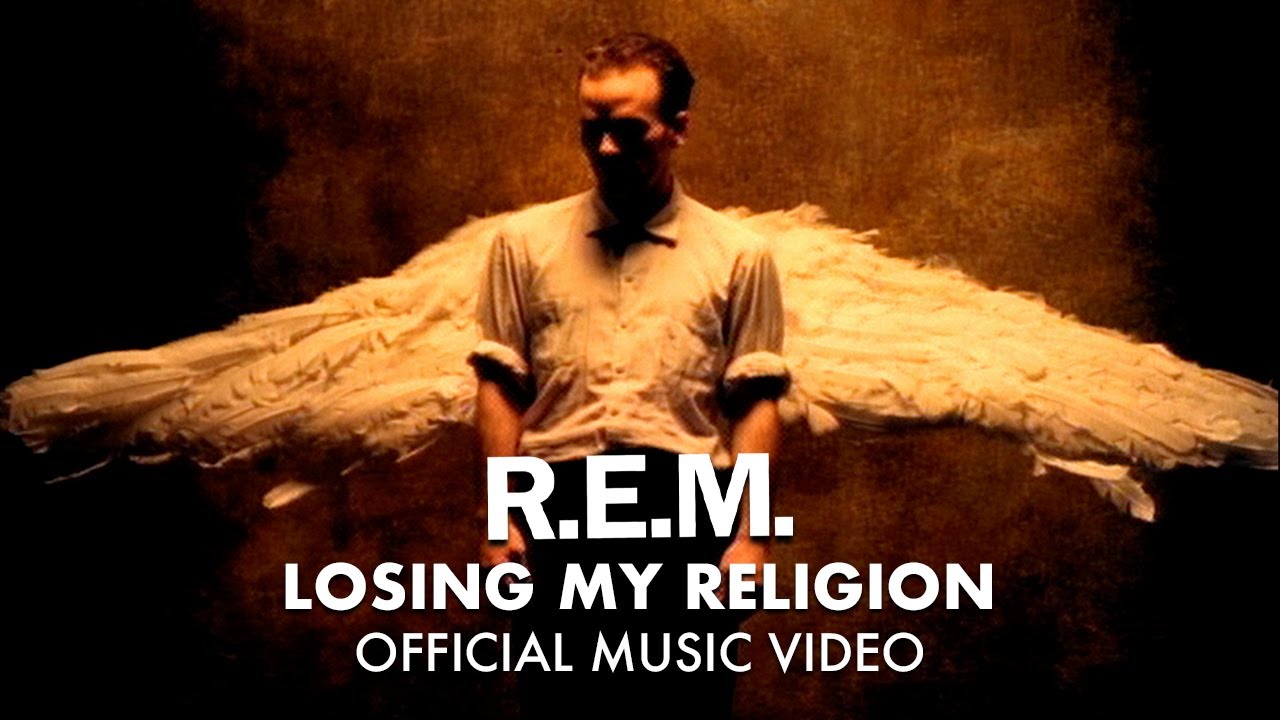
Table of Contents
Update (2026-08-13): Google News Feed Troubles Spark Discussion
Recently, discussions surrounding the functionality of news feeds on platforms like Google have gained traction, leading to a resurgence of interest in R.E.M.’s iconic song “Losing My Religion.” Users on various forums, including Reddit and the Google Chrome Community, have reported issues with their news feeds disappearing, prompting troubleshooting conversations. While these technical challenges have no direct connection to the song’s themes of faith and unrequited love, they have inadvertently brought “Losing My Religion” back into public attention as people reflect on the song’s exploration of emotional struggles. The song’s relevance endures, resonating with listeners amid contemporary discussions about connectivity and information access.
Explore the deep emotions of faith and unrequited love in R.E.M.’s iconic song, ‘Losing My Religion,’ and discover its profound spiritual themes.
The songLosing My Religionby R.E.M. really digs into feelings about faith, disappointment, and love that is not returned. When you listen, you can sense the struggle and confusion in the lyrics.
What Religion is Losing My
The songLosing My Religiondoes not point to any one religion. Instead, it touches on ideas about spirituality and what people believe deep down.
| Religion: | Spirituality |
| Profession: | Musician |
| Date of birth: | N/A (Song Release Date: February 19, 1991) |
| Zodiac sign: | N/A |
| Nationality: | American |
After spending over 15 years in the music world, I have seen how songs likeLosing My Religionspark conversations about faith and spirituality. R.E.M. managed to capture the tension between what you believe and what others expect from you. This song keeps connecting with people, no matter when they hear it.
Losing My Early Life and Religion
The story behindLosing My Religionstarts with R.E.M.’s drive to explore tough emotions in their music. Peter Buck, the guitarist, came up with the main riff while messing around with a mandolin he had just bought. That simple experiment led to the song’s haunting tune, which feels raw and full of longing.
- The song was recorded in September and October 1990 at Bearsville Studios in Woodstock, New York.
- It was first called “Sugar Cane,” and the demo had extra instruments like banjo and Hammond organ.
- Michael Stipe wrote lyrics about feeling let down and loving someone who does not love you back, making the song feel very personal.
Losing My Background: Religious Roots & Family
R.E.M.’s music comes from a place shaped by their Southern upbringing. While there is not much public info about their religious backgrounds, growing up in the American South, where religion is everywhere, probably influenced how they think about faith.
- The phrase “losing my religion” is a Southern saying. It means losing your cool or patience, not your actual faith.
- This bit of culture gives the song more meaning, showing how frustration and emotional pain can feel like losing something big.
Losing My Views on Faith and Spirituality
R.E.M. liked to question old ideas about faith in their songs. Michael Stipe has saidLosing My Religionis more about being obsessed with someone than losing faith. This twist lets people relate to the song in different ways, whether it is about love or bigger questions about life.
- The lines “That’s me in the corner / That’s me in the spotlight” show how lonely and unsure you can feel.
- These honest words connect with fans who are figuring out their own beliefs and feelings.
Losing My Religious Beliefs and Practices
None of the band members claim any one religion, but their songs often use spiritual images. The music video forLosing My Religion, directed by Tarsem Singh, is full of religious symbols that make you think about big questions and look inward.
- The video shows saints and other religious signs, making the song feel even more layered.
- This choice shows that spirituality can be part of life without needing a church or set rules.
Losing My Life Partner’s Religion
There is not much known about the band members’ partners or their religious views. Still, their lyrics focus on feelings everyone shares, like love and loss, instead of sticking to one faith.
Losing My Comparisons with Other Celebrities on Religion
Other musicians have tackled similar themes. Sinead O’Connor, for example, sings about faith and identity. Looking at these artists together shows how music keeps the conversation about spirituality going.
- Sinead O’Connor’s “Nothing Compares 2 U” is just as open and emotional as R.E.M.’s music.
- Bjork also explores big questions in her songs, much like Stipe does with his thoughts on love and loss.
Losing My Religious Controversies or Public Discussions
WhenLosing My Religioncame out, people talked about what it meant. Some thought it was about heartbreak, others saw it as a song about losing faith. This mix of ideas keeps the song interesting and sparks debates about how music and belief fit together.
- The song’s popularity made people ask if pop music should talk about spiritual topics openly or in a roundabout way.
- That question is still around as artists figure out how to share their views in a world that is not always religious.
Losing My Religion & Cultural Identity vs Belief
Where you come from and what you believe can shape who you are. For R.E.M., their Southern roots show up in their music, letting them talk about faith in ways that feel real but also reach people everywhere.
- Using local sayings and stories makes their songs feel honest, and listeners from all walks of life can find something to relate to.
- This shows how music can bring people together, even if their backgrounds are different, by talking about big feelings like faith and searching for meaning.
Conclusion
Losing My Religionis a song that keeps touching people. It deals with tough feelings about love, loss, and wondering about life. Its power lies in how it helps people express what they feel about faith and who they are.
Related Queries
What are the main themes in Losing My Religion?
The song is about love that is not returned, feeling let down, being emotionally open, and thinking about life. It invites listeners to look at their own struggles with faith and love.
How did Losing My Religion influence popular culture?
This song made its mark by talking about deep feelings in a way that is easy to understand and remember. It inspired other artists to write about similar topics in their own music.
What inspired Michael Stipe’s lyrics for Losing My Religion?
Stipe wrote the lyrics after thinking about loving someone who does not love you back and feeling obsessed. These feelings are common in both romance and life.
What was the reception of Losing My Religion upon release?
The song got great reviews and reached No. 4 on the Billboard Hot 100. It also won several MTV Video Music Awards for its new video style and strong lyrics.
How has Losing My Religion been covered by other artists?
Many musicians, like Tori Amos and Hootie & the Blowfish, have covered the song. This shows how much it means to people and how its themes keep inspiring others.
FAQs
What does Losing My Religion mean?
The phrase means losing your patience or cool, not your actual faith. It is about feeling desperate or frustrated, especially in relationships.
Who wrote Losing My Religion?
All four members of R.E.M. Bill Berry, Peter Buck, Mike Mills, and Michael Stipe wrote the song. Each one influenced its music and words.
Why is Losing My Religion considered iconic?
The song stands out because it is so emotional and uses a mandolin, which was new for alternative rock at the time. It changed the sound of music in the early 1990s.
What awards did Losing My Religion win?
The song won Best Short Form Music Video at the Grammy Awards and several MTV Video Music Awards, including Video of the Year, thanks to its visuals and emotional impact.
How did Losing My Religion affect R.E.M.’s career?
Losing My Religion made R.E.M. famous around the world. It helped them move from being an alternative band to becoming mainstream, all while keeping their honest style.
If you are interested in learning more about religion, please visit whatreligionisinfo.com.